The Muong people’s lam via (soul-calling) ritual is one of the most intimate and meaningful among many fascinating spiritual rituals of Vietnam’s mountain ethnic group. In this article, we will explore this unique tradition - from its cultural meaning and different forms to how visitors can respectfully experience it in Vietnam and beyond.
What is the Muong lam via?
Lam via (làm vía) is a traditional Muong ceremony performed to call back a person’s wandering souls, restore balance, and protect them from illness and bad luck.
In Muong culture, every person is born with multiple souls (via). These souls help protect the body against sickness, bad luck and harmful forces. When a soul becomes lost or weakened - after illness, shock, a long journey, or stress- the person may feel weak, unlucky or worried. The lam via ritual is performed to invite those souls home again, renew energy, and drive away bad luck.
The way the lam via ritual is carried out varies by region. In Hoa Binh province, the ceremony is often simpler and centers on the wrist-tying ritual with a modest offering tray. In contrast, in Muong communities of Phu Tho or Thanh Hoa, the ceremony can be more complex, sometimes lasting several hours. In some areas, traditional dances or singing may be included.
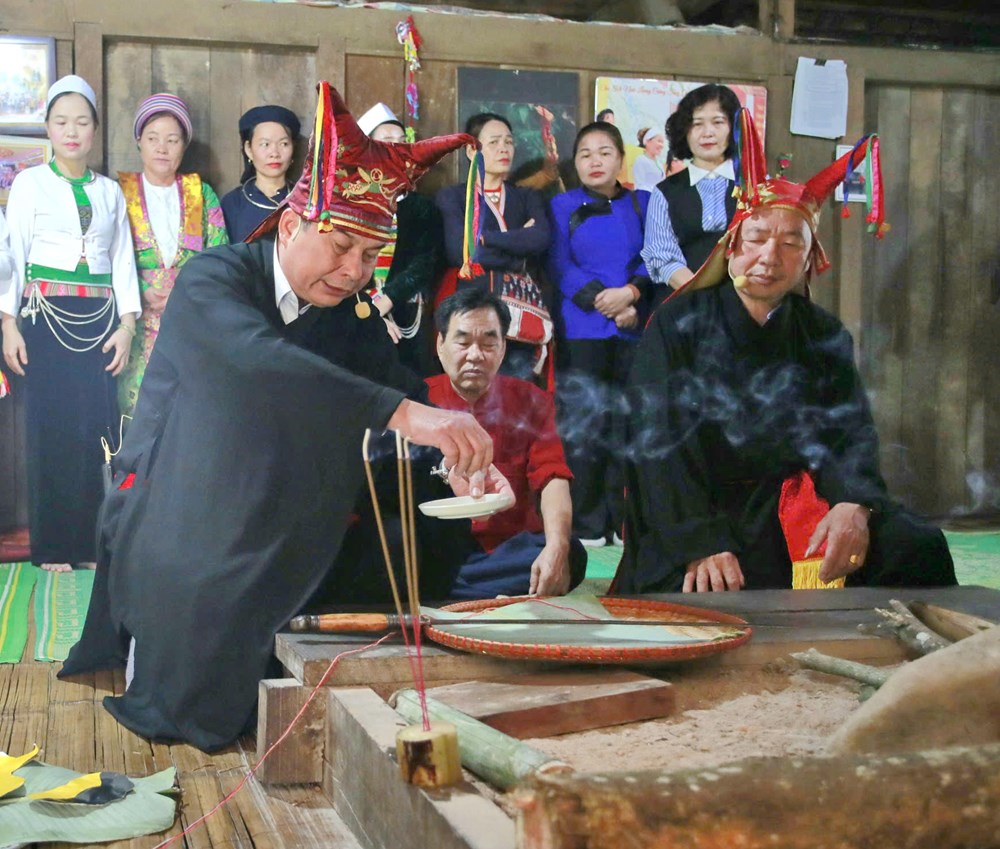
Lam via is a unique cultural activity of the Muong (Source: Bao Van Hoa)
Different types of lam via rituals of the Muong
The Muong practice several forms of lam via depending on the person’s age and situation:
Wrist-tying ceremony (Buoc chi co tay ritual)
This is the most common and accessible form. When you travel through the misty mountain ranges of Northwest Vietnam, you will often notice people wearing simple strands of red, green or yellow thread around their wrists. Those colored threads are tied around the wrists to help keep their souls safe.
It is frequently performed after recovery from illness, after returning from travel, or for weak babies. Family members take turns tying the threads and wishing for good health and safety.
Longevity-pulling ritual (Keo tuoi ritual)
This ritual is mainly held for elderly people. Its purpose is to wish for good health and a long life with their children and grandchildren. The offering tray is richer and often includes a rooster, sticky rice, rice wine, fruits and traditional cakes.
Mother Goddess Ritual (Mu Tho Ritual)
Mu Tho (also known as Mu Na or Mu Ra) is a Mother Goddess in Mường folk belief. She is believed to create a person’s body and character and protect them throughout their life. The Mu Tho Ritual is a specialized ceremony performed for elderly people who are seriously ill. According to traditional belief, families may fear that the elderly person’s soul has moved far from the body.
An important part of this ritual is a “canh si” banyan tree branch. The banyan tree is an important symbol in Muong spiritual life and is linked with a long and strong life.
The eldest daughter-in-law may also visit nearby families to ask for cloth and rice. This shows the care and support of the local community for the elderly person.
The Muong lam via ceremony
Before the ceremony, the family prepares the ritual space and offerings. An offering tray symbolizes vitality and abundance often include a boiled rooster, sticky rice, rice wine and the multi-colored threads. The space is cleaned and arranged with care.
Participants usually include close family members; in some cases neighbors and invited guests may also attend. A “thay Mo” (Muong shaman) is invited to lead the ceremony.
The Mo begins by lighting incense and chanting in the Muong language. The chants retrieve the wandering souls and ask protective spirits to drive away misfortune.
After the calling, the shaman or elders gently tie the prepared colored threads around the wrists of the person being blessed. Each knot comes with wishes for health, safety and good fortune. Family members often take part in the tying, turning the moment into a shared act of care. In more elaborate forms such as the Mu Tho ritual, additional symbolic actions (including the pulling of the banyan tree branch) may take place.
After the ceremony, the ritual concludes with a communal meal. Sharing food is believed to seal the blessings and help the restored souls settle fully. Guests and family sit together, talk, and enjoy the offerings. The colorful threads remain on the wrists as a reminder of the protection and care received.
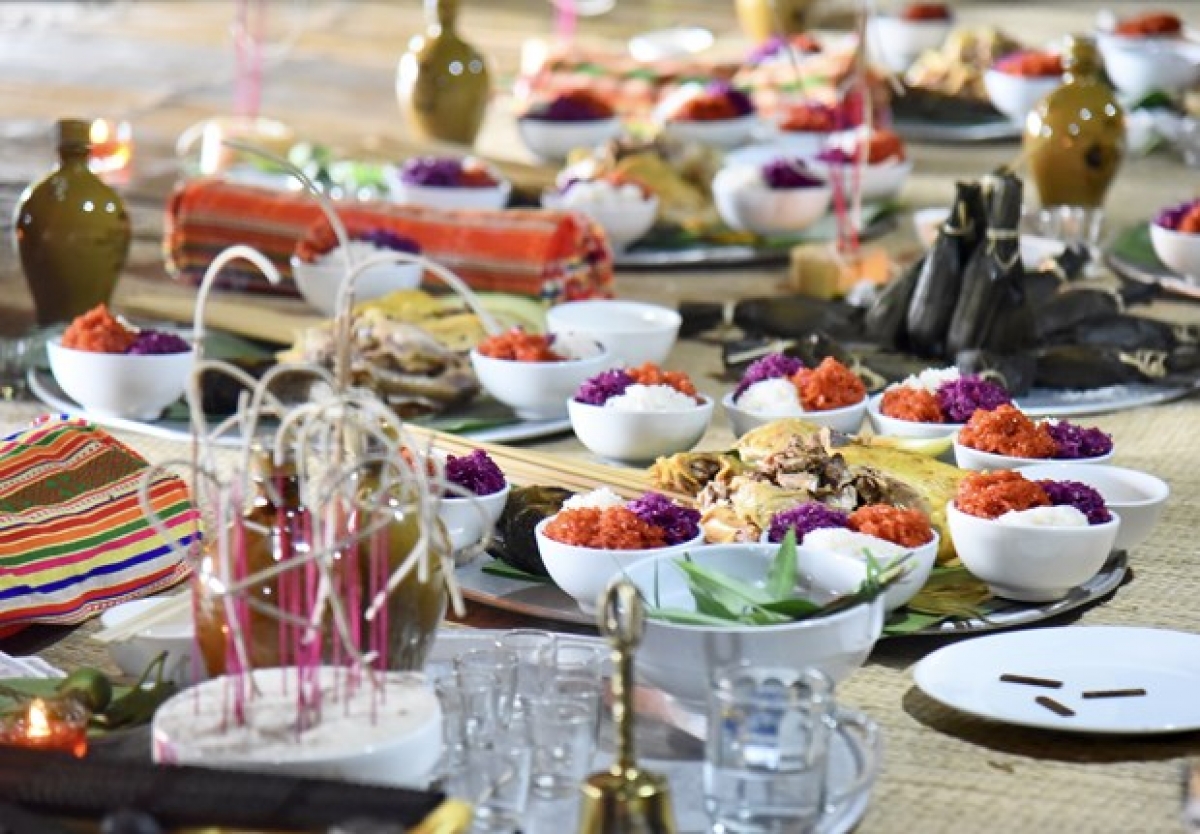
The meal after lam via often features sticky rice and boiled rooster
Can I join the Muong lam via’s ritual?
Yes. With the growth of community-based tourism in Vietnam, certain forms of the lam via - especially the wrist-tying ceremony for good fortune and well-being - are sometimes opened to respectful visitors.
You may be invited to observe the full process or, in some cases, to have the protective threads tied on your own wrists while receiving blessings from local elders or the shaman.
It’s important to stay polite when participating in the ritual
- Dress modestly and respectfully.
- Ask permission before taking photos or videos
- Stay quiet and attentive during the formal parts of the ritual.
- Accept the threads and any food offered with both hands and a smile.
- Follow the instructions of the family or local guide
- Show respect for the local customs.
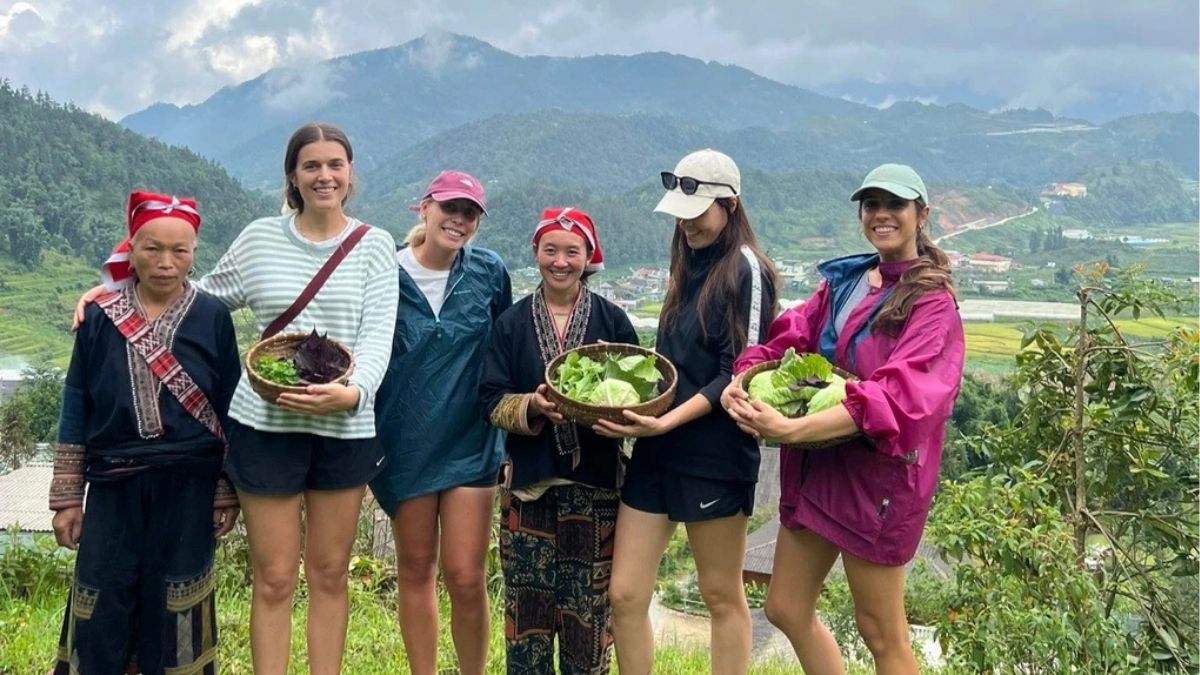
Ethnic minority groups in Vietnam are very welcoming to tourists (Source: Dan Tri)
The Muong lam via vs. The Thai lam via
The Muong people are not the only ethnic group in Vietnam with soul-calling traditions. The Thai people, who live in Mai Chau and many other parts of Northwest Vietnam, also have similar rituals.
There are some similarities between the two traditions. Both are often family ceremonies. Relatives come together to care for a family member. In both traditions, a ritual leader called “Mo” can play an important role. The Mo uses chants to call the person’s wandering soul back.
However, there are also some differences. The Thai people may perform their rituals at different important times in life, such as after birth, during marriage, or at the end of the year. Their ritual items and offerings can also be different.
The Muong lam via is well known for its colored threads tied around the wrist. The ceremony may also include a boiled rooster, sticky rice, and rice wine.
The Thai version, which may be called “Lam ly” or “Hong khoan,” can use different ritual items and offerings. Their beliefs about the number of souls can also affect the way the ceremony is performed.
If you have the opportunity, experiencing both the Muong lam via and the Thai lam via will give you a richer understanding of the diverse spiritual life and cultural depth of Vietnam’s ethnic minority communities.
Where can I experience the Muong lam via?
The Muong people live mainly across Hoa Binh, Phu Tho, Thanh Hoa and neighboring mountainous areas. To experience the real ritual, it is best to stay in or near Muong communities.
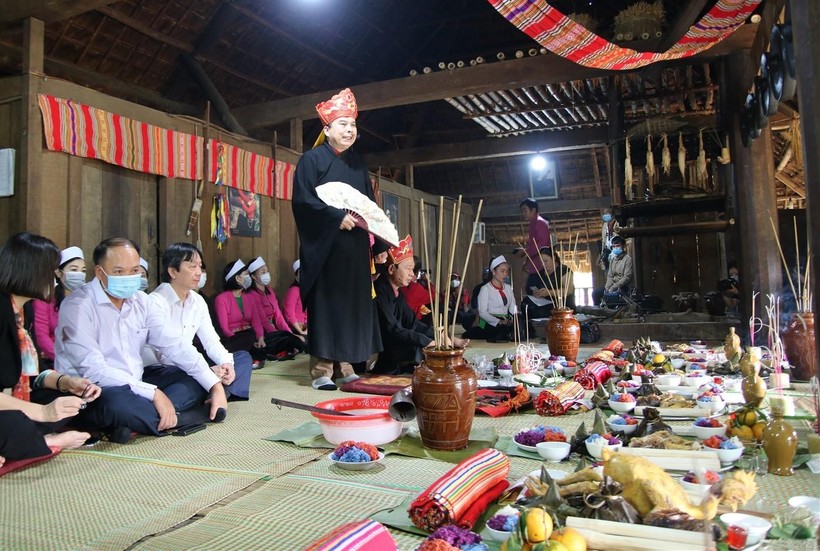
Thay Mo in a Lam via ritual (Source: collected)
Mai Chau Hideaway Lake Resort is a good place to stay when exploring Muong culture. The resort is located on a quiet peninsula on Hoa Binh Lake and is surrounded by mountains and nature.
From the resort, visitors can explore nearby villages and learn more about local life and traditions. Depending on the local community and the time of the visit, visitors may be able to watch or gently take part in traditional activities such as lam via. After a day of cultural experiences, visitors can return to the quiet lake and forest at the resort.
Read more: Xoe Dance: A traditional dance of the Thai people
The Muong lam via is more than a cultural performance - it is a living expression of care, belief and community. When you leave with a colorful thread around your wrist, you carry not only a beautiful souvenir, but also a small connection to an ancient way of looking after the soul.
Contact Mai Chau Hideaway Lake Resort for personalized advice on choosing the ideal accommodation and itinerary, and enjoy the most authentic and unique local experiences.
FAQs
What does “lam via” mean?
Lam via is a traditional Muong ritual performed to call back and strengthen a person’s vía, or spiritual essence. It is commonly associated with wishes for health, peace, longevity, and protection, particularly when someone is ill, weak, or going through an important stage of life.
Is the Muong lam via a religious ceremony?
lam via is better understood as a traditional spiritual ritual rooted in Muong folk beliefs rather than a formal religious ceremony. It reflects the Mường belief that the vía is closely connected to a person’s health and well-being.
Can foreigners attend a lam via ceremony of the Muong?
Foreign visitors may be able to observe a lam via ceremony if it is held as part of a cultural experience or with the permission of the family and local community. However, since it is a meaningful spiritual and family ritual, visitors should always ask for permission before attending and respect any restrictions.
Can tourists take photos during the lam via ceremony?
Yes, but visitors should ask the host or ritual organizer for permission before taking photos, especially during sacred or private parts of the ceremony. Avoid using flash or interrupting the ritual.
Where can I see the lam via ritual?
Lam via is traditionally practiced within Muong communities in northern and north-central Vietnam, particularly in Hoa Binh province, Phu Tho province, Thanh Hoa province.
How long does the lam via ceremony last?
There is no fixed duration for a lam via ceremony. Its length depends on the type of ritual, the reason it is performed, and local customs. Some ceremonies may be relatively brief, while more elaborate rituals can take several hours or longer.