Vietnam’s mountain regions are home to dozens of ethnic tribes, each with its own language, traditions, clothing, and way of life. Hmong, Dao, Tay, Thai, and other groups live across destinations such as Sapa, Ha Giang, Mai Chau, Cao Bang, and Pu Luong, where village walks, markets, homestays, and local festivals offer a closer look at everyday life.
Where do the different ethnic communities live? what can you experience in each region?, and how to visit these villages without treating local culture as a tourist attraction.
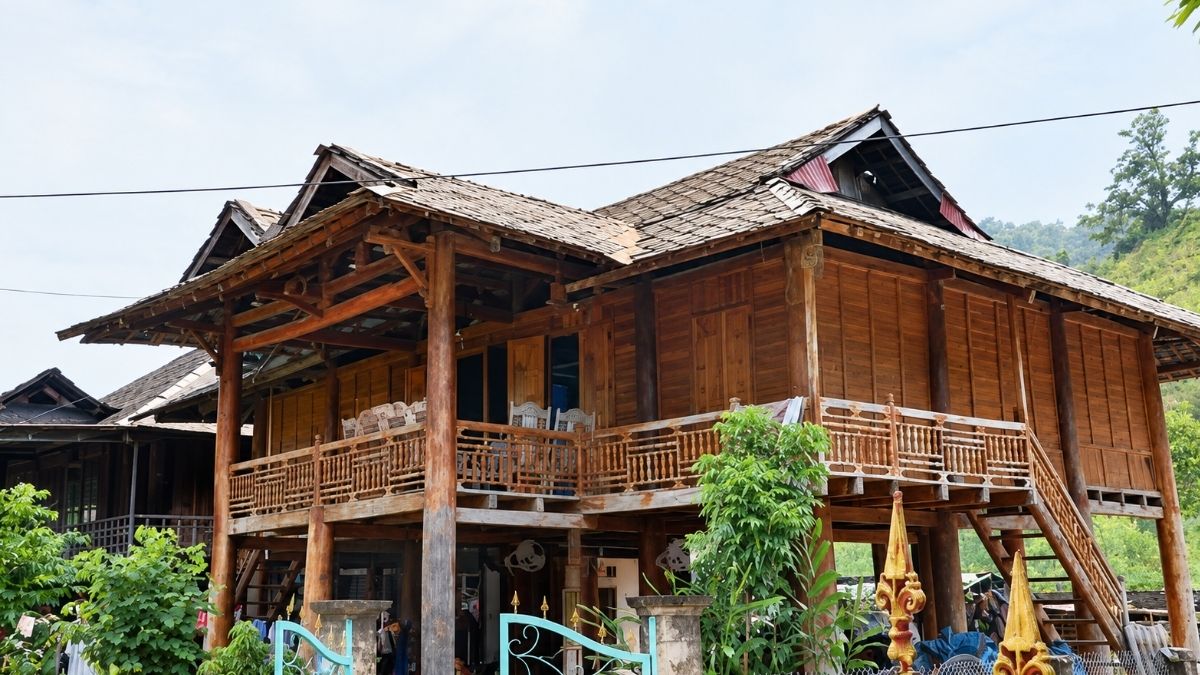
A Thai stilt-house village in northern Vietnam, surrounded by terraced rice fields (Source: Collected)
What Does "Vietnamese Mountain Tribes" Mean?
“Vietnamese mountain tribes” is a travel term used to describe ethnic minority communities living in Vietnam’s mountainous and highland regions, especially in the north. It does not refer to one specific tribe or ethnic group. Vietnam officially recognizes 54 ethnic groups, including many communities commonly associated with mountain travel, such as the Hmong, Dao, Tay, Thai, Nung, and Giay.
But these groups are not one culture. Each has its own traditions, language, clothing, and way of life. In practice, the community you encounter depends on where you travel, whether that is Sapa, Ha Giang, Mai Chau, Cao Bang, or another highland area.
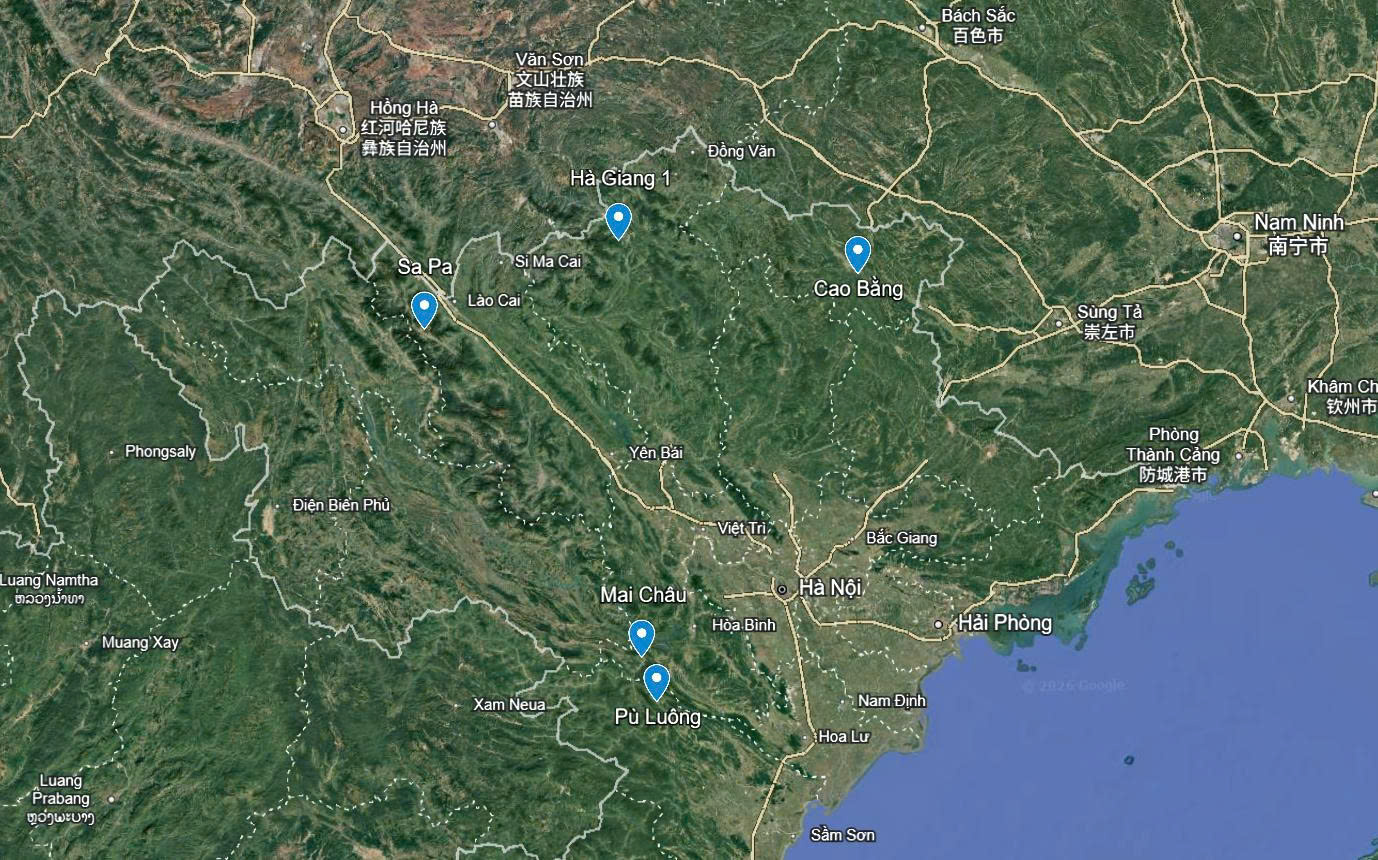
The five main regions in northern Vietnam where travelers can meet mountain ethnic communities
Where Do Vietnam's Mountain Ethnic Communities Live?
Most of the ethnic communities commonly associated with Vietnam’s mountain regions live in the north, particularly around Sapa, Ha Giang, Cao Bang, Mai Chau, and Pu Luong. The communities vary from place to place, so the destination you choose will shape the cultural experience you have.
|
Destination
|
Communities you may encounter
|
What you can experience
|
|
Sapa
|
Hmong, Dao, Giay, Tay
|
Trekking, villages, rice terraces
|
|
Ha Giang
|
Hmong, Dao, Tay, Lo Lo
|
Mountain villages, markets, road trips
|
|
Mai Chau
|
Thai, Muong, Hmong
|
Stilt houses, rice fields, village life
|
|
Cao Bang
|
Tay, Nung, Hmong, Dao
|
Villages, markets, rural landscapes
|
|
Pu Luong
|
Thai, Muong
|
Rice terraces, walking, stilt houses
|
If your main interest is Hmong culture and mountain trekking, Sapa or Ha Giang are natural choices. For Thai village life and stilt houses, Mai Chau and Pu Luong are more relevant, while Cao Bang offers a chance to see ethnic communities in a quieter part of northern Vietnam.
Sapa: Hmong, Dao and other highland communities
Sapa is one of the best-known places to meet ethnic communities in Vietnam’s northern mountains. Around the town and across the surrounding valleys, you can find Hmong, Dao, Giay, and Tay communities living among rice terraces and mountain villages. Trekking is the main way to experience the area, with routes leading from Sapa into nearby villages and through the surrounding countryside.
A typical trek takes you past rice fields, mountain paths, traditional houses, and small villages where local families still live and farm. Some routes can be done as day trips, while a homestay gives you more time in the area and a chance to see village life after the trekking groups have left.
Sapa is also one of the easier mountain destinations to visit, with plenty of accommodation, transport, trekking routes, and local guides. The downside is that its popularity means some villages and trails can get crowded, especially during busy periods. If you want a quieter experience, look beyond the most popular routes around the town.
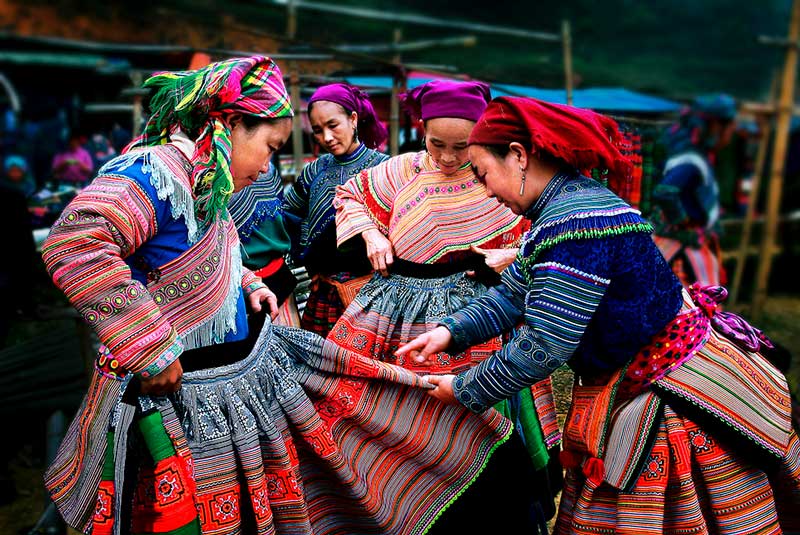
A Hmong woman in a traditional indigo-dyed dress (Source: dinhdangvietnam.com)
Ha Giang: Hmong villages and mountain roads
Ha Giang is one of the main places to meet ethnic communities in Vietnam’s far north. Hmong communities are particularly common across the province, alongside Dao, Tay, Lo Lo, and other groups. The landscape is very different from Sapa, with limestone mountains, deep valleys, winding roads, and villages scattered across the hills.
Rather than staying in one town and taking short treks, many visitors explore Ha Giang by road over several days. The route can take you through villages, local markets, family-run homestays, and mountain passes, with stops along the way to see how different communities live. The Dong Van Karst Plateau and Ma Pi Leng Pass are among the best-known parts of the journey.
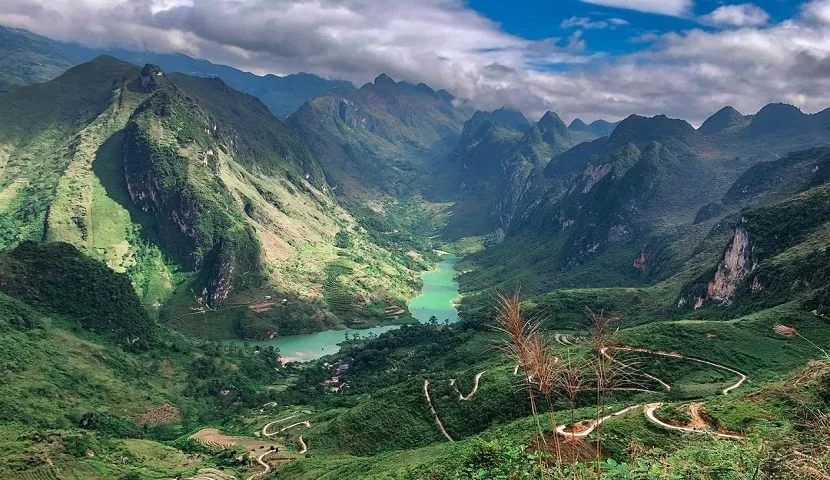
The road through Ma Pi Leng Pass, one of the most dramatic stretches of Ha Giang's karst plateau (Source: Collected)
Ha Giang suits travelers who want to see mountain communities as part of a longer journey rather than through a single trekking route. Because villages are spread across the province, the experience also varies depending on the route and time of year you visit.
Mai Chau: Thai villages in the valley, Hmong communities in the highlands
Mai Chau is one of the easier places to experience ethnic village life in northern Vietnam, especially if you are staying in Hanoi. The valley is best known for its Thai communities, rice fields, and traditional stilt houses, while Hmong communities can be found in higher areas such as Hang Kia and Pa Co. Muong communities are also present in the wider area.
In the valley, you can cycle between villages, walk through the rice fields, stay in a stilt house, or visit local families and craft workshops. Trips to Hang Kia and Pa Co offer a different setting, with mountain roads and Hmong villages at higher elevations. This makes Mai Chau a good option if you want to experience more than one ethnic community without traveling as far as Ha Giang.
Read more: Who are the major ethnic groups in Vietnam you can experience in Mai Chau?
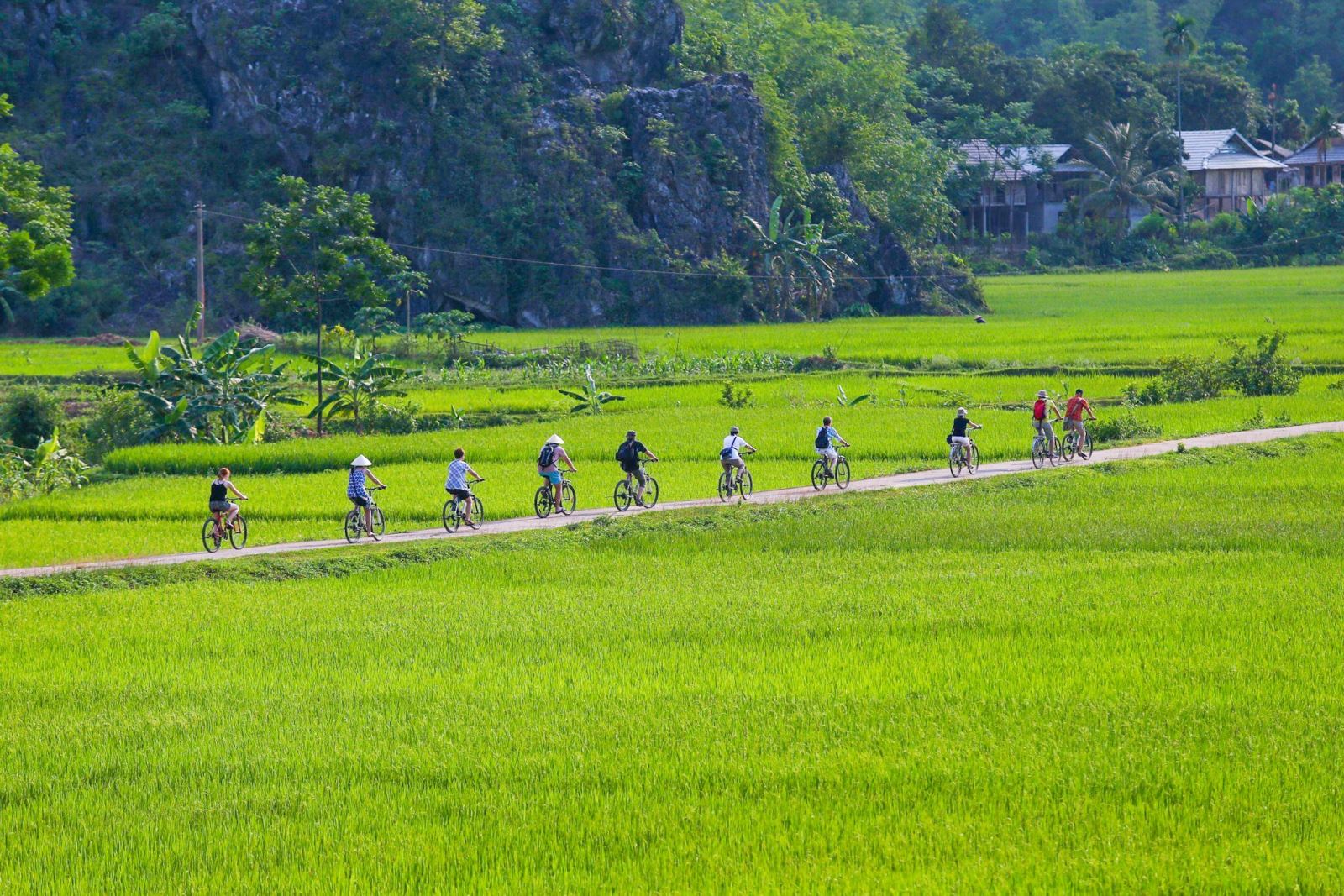
Cycling through Mai Chau's rice fields, with Thai stilt houses lining the valley floor (Source:Collected)
After a day exploring Thai villages in the valley or Hmong communities up in Hang Kia and Pa Co, Mai Chau Hideaway Lake Resort offers a quiet place to rest by the water. Set on a secluded peninsula on Hoa Binh Lake in Suoi Lon village, the resort's stilt-style architecture draws directly on the building traditions of the Muong, Thai, Dao, and Hmong communities of the region, so the stay itself is an extension of the culture you've come to see. Guests can unwind at the infinity pool overlooking the lake, enjoy Vietnamese and international dishes at the on-site restaurant, or simply take in the mountain and lake views from a private balcony after a day of village walks and trekking. It's a comfortable, eco-conscious base for exploring both the Mai Chau valley and nearby Pu Luong.
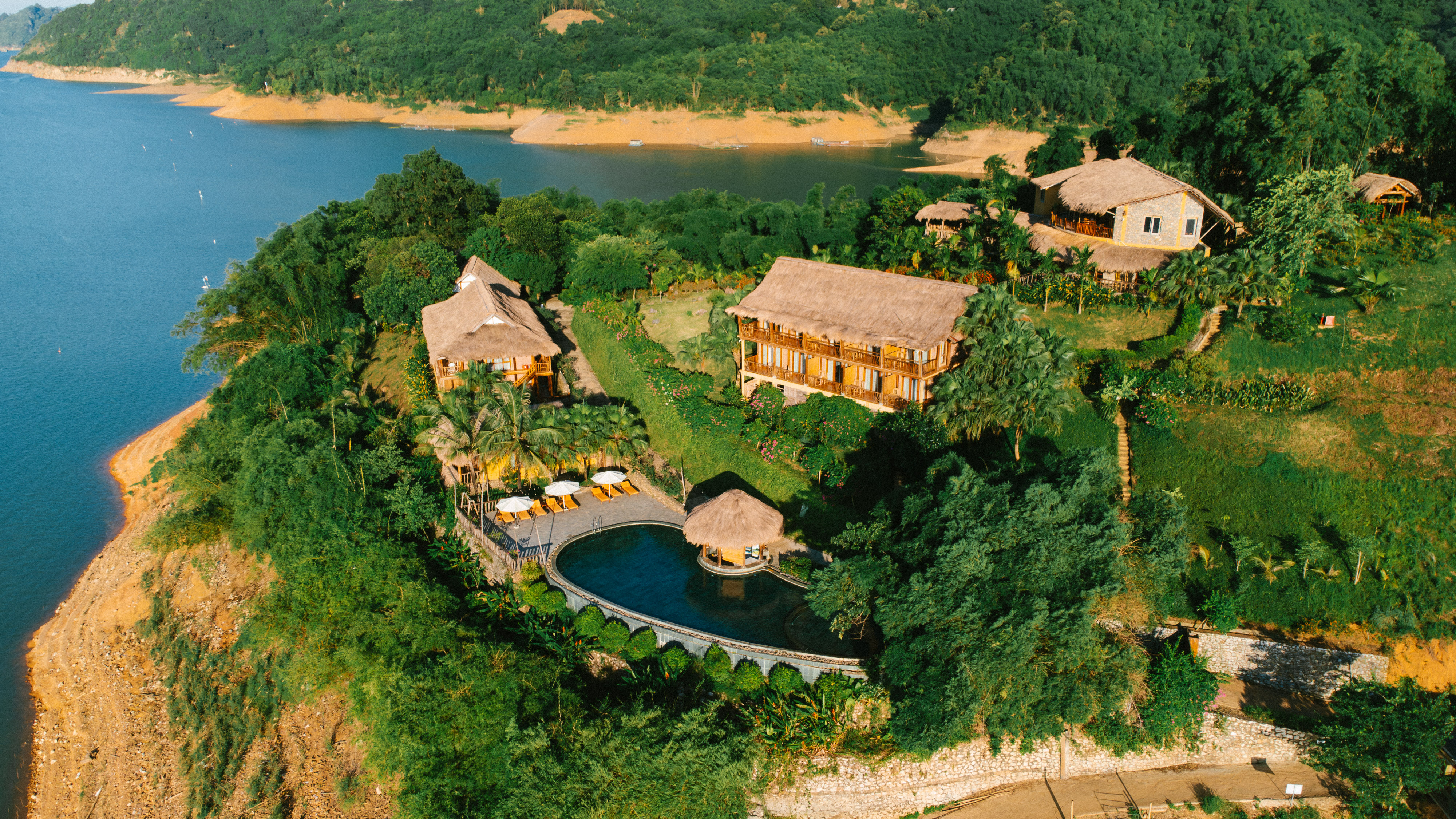
Mai Chau Hideaway Lake Resort
Cao Bang: Tay and Nung communities in Northeast Vietnam
Cao Bang is a good choice for travelers who want to explore ethnic communities alongside the mountains and countryside of northeastern Vietnam. Tay and Nung communities are widespread across the province, while Hmong and Dao communities can also be found in different areas. Villages, rice fields, rivers, and limestone mountains are part of the landscape you travel through.
Local markets are one of the more interesting ways to see everyday life in the area. On market days, people from nearby villages come to buy and sell food, produce, livestock, and household goods, making the markets a meeting place as much as a place to shop. Routes around Ban Gioc Waterfall and the surrounding countryside can also combine these rural experiences with Cao Bang’s mountain scenery.
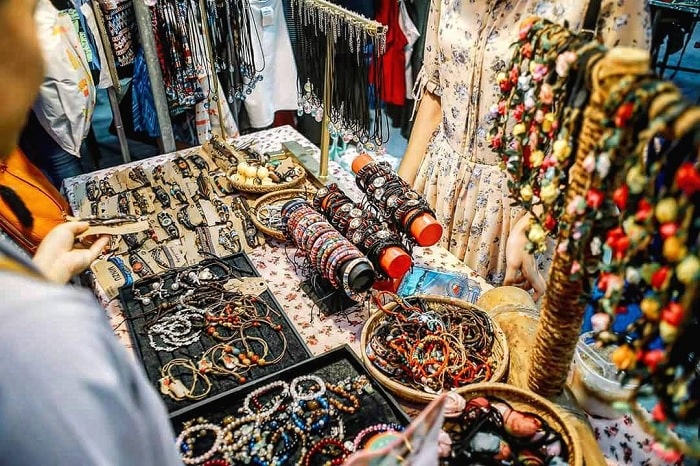
A weekly market in Cao Bang, where Tay and Nung communities from nearby villages come to trade (Source: Collected)
Compared with Sapa, Cao Bang has fewer places where tourism is concentrated around a single village or trekking route. It is better suited to a road trip through several parts of the province, with stops at villages, markets, and natural attractions along the way.
Pu Luong: Thai and Muong Villages in the Rice Terraces
Pu Luong is home mainly to Thai and Muong communities, with villages spread among rice terraces, forests, and mountain valleys. Traditional stilt houses are a familiar part of the landscape, and farming remains closely connected to daily life in many villages. The setting feels more rural and spread out than the main valley of Mai Chau.
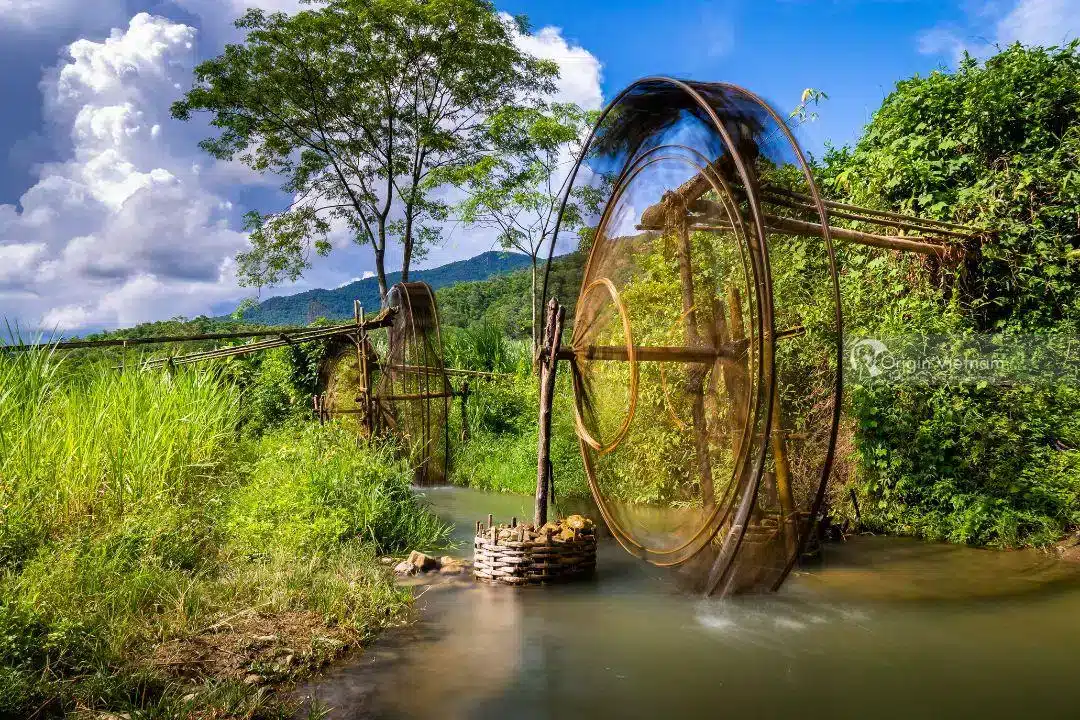
A traditional bamboo waterwheel irrigates rice terraces in Pu Luong Nature Reserve (Source: Collected)
Walking and cycling are the easiest ways to explore the area. Trails pass through rice fields, small villages, streams, and local homes, while staying in a homestay lets you spend more time in the countryside rather than visiting only during the day. Pu Luong is also often combined with Mai Chau, especially for travelers interested in Thai and Muong village life.
What can you experience in a Vietnamese mountain village?
A visit to Vietnam’s mountain communities is more than walking through a village. Depending on the destination, you can spend a morning following rice terraces with a local guide, stay overnight in a traditional stilt house, visit a highland market, or join everyday activities with a local family. The most memorable experiences are usually those that let you spend time in the community rather than simply pass through it.
- Walk Through Rice Terraces and Mountain Villages: Trekking through rice terraces is one of the signature experiences in places such as Sapa, Ha Giang, and Pu Luong. The route often takes you between farms, streams, houses, and small villages rather than from one tourist attraction to another. Going with a local guide can make the walk more meaningful, especially when you want to understand the landscape and the way people use the land around their homes.
- Stay in a Traditional Stilt House: A homestay gives you a different perspective from a day trip. In places such as Mai Chau and Pu Luong, staying in a traditional-style stilt house can mean eating local food, sleeping in the same house where the hosts live, and seeing the village after the day's visitors have gone. The experience varies from one homestay to another, so look for places that are genuinely connected to local families and communities.
- Visit a Highland Market on Market Day: Markets are particularly interesting in the northern mountains because they bring people from different villages together. Depending on the area, you may see local produce, livestock, clothing, household goods, and handmade products being traded, while the market also serves as a place to meet friends and neighbours. Ha Giang and Cao Bang are among the places where market visits can become an important part of a mountain trip, but you need to check the market day before going.
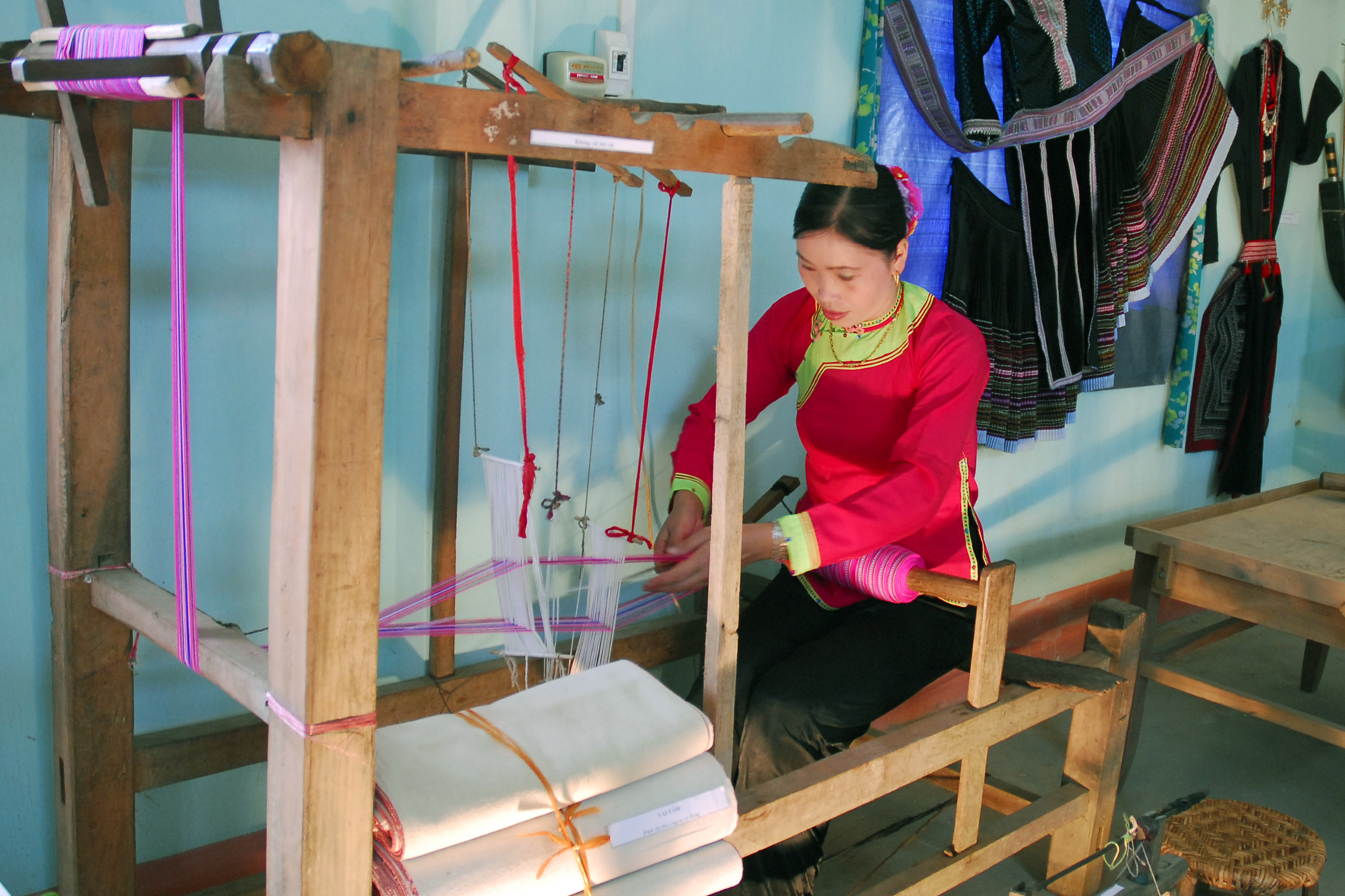
Hand-weaving is still practiced daily in many ethnic minority villages across northern Vietnam (Source: Van hoc Va Nghe Thuat)
- See Traditional Dress, Weaving and Local Crafts: Textiles and handicrafts are closely connected to the identity of many ethnic communities in northern Vietnam. In some villages, you may see women weaving, embroidering, dyeing fabric with indigo, or making other traditional items, depending on the community. Buying directly from local makers can support their work, but it is worth asking where and how an item was made rather than assuming that every “traditional” souvenir is locally produced.
- Spend Time With a Local Family: Some of the most personal encounters happen through simple activities rather than organised performances. Sharing a meal, helping prepare local food, learning about farming, or talking with a host family can give you a glimpse of everyday life that a short village stop cannot provide. The key is to join activities that residents are comfortable sharing, rather than expecting a community to perform its culture for visitors.
How to visit Vietnam's mountain communities respectfully
Visiting an ethnic village is different from visiting a tourist attraction. These are people's homes and workplaces, so give residents the same privacy and space you would expect at home.
- Ask before taking photos: This is especially important when photographing people, children, homes, religious activities, or private family moments. A quick gesture or question is usually enough, and if someone says no, respect it.
- Do not enter houses or join activities without an invitation: An open door does not necessarily mean you can walk inside, and not every ceremony is meant for visitors. If you are unsure, ask your guide or the host before taking part.
- Spend locally when you can: Staying at a locally operated homestay, hiring a community-connected guide, or buying crafts directly from local makers can help keep tourism income within the community. When possible, ask who runs the service or makes the product rather than choosing something simply because it is labelled “traditional.”
When is the best time to visit Vietnam's mountain communities?
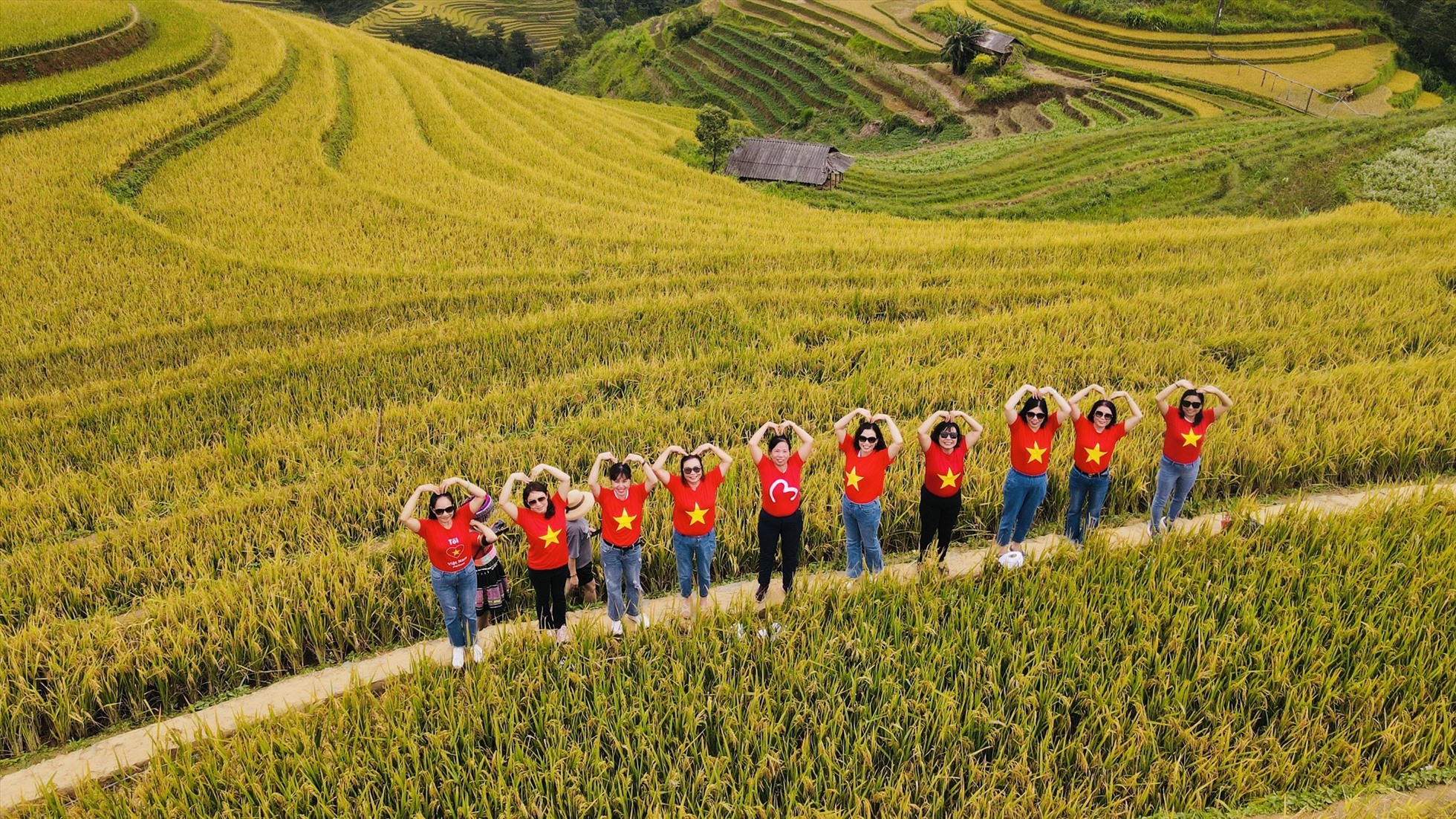
Ripe rice terraces in late September, one of the best times to visit Vietnam's mountain regions (Source: Bao Lao Dong)
The best time depends on what you want to see. September and October are popular for rice terraces in northern destinations such as Sapa and Pu Luong, while the cooler months from October to April are generally more comfortable for trekking. Weather varies between regions, so check the conditions for your specific destination before you go.
If you want to visit a local market, the day of the week matters more than the season. Many mountain markets are held only once a week, so check the schedule before setting out. For festivals, dates can change each year because many follow the lunar calendar, so confirm the exact date for your trip.
Frequently Asked Questions About Vietnamese Mountain Tribes
How many mountain tribes are there in Vietnam?
There is no official category called "mountain tribes" in Vietnam. The country officially recognizes 54 ethnic groups, and many of these communities live partly or predominantly in mountainous and highland regions. The term is mainly used in international travel writing as a broad description rather than a formal classification.
Which ethnic groups can travelers meet in Vietnam's mountains?
This depends on the destination. Travelers may encounter Hmong, Dao, Tay, Thai, Nung, Giay, Muong, Lo Lo, and other communities across northern Vietnam, while different ethnic groups are found in the Central Highlands. A destination-specific guide is therefore more useful than assuming that the same communities can be found everywhere.
Where can I experience Vietnamese mountain culture?
Sapa, Ha Giang, Mai Chau, Cao Bang, and Pu Luong are among the most accessible destinations for international travelers. They offer different combinations of trekking, village walks, homestays, markets, handicrafts, and agricultural landscapes. The community you encounter will depend on the destination you choose.
Can I stay in an ethnic minority homestay?
Yes, homestays are available in several mountain destinations, including Sapa, Ha Giang, Mai Chau, and Pu Luong. The experience varies from a simple family-run house to a more developed accommodation designed specifically for visitors. If supporting local communities is important to you, check who owns and operates the property before booking.
Is Sapa the only place to see Vietnam's mountain communities?
No. Sapa is simply one of the best-known and most accessible destinations. Ha Giang, Cao Bang, Mai Chau, Pu Luong, and several other northern regions also offer opportunities to visit ethnic villages and experience local culture, with different landscapes and communities in each area.
What should I avoid when visiting an ethnic village?
Avoid entering private homes without permission, photographing people without asking, touching personal belongings, or treating traditional clothing and ceremonies as photo opportunities without considering the people involved. It is also better to avoid assuming that everyone in a village wants to interact with visitors simply because tourism is present there. A respectful visit should leave residents feeling that their homes and customs have been treated as part of everyday life, not as exhibits.