Da Giang trekking is quickly becoming one of the most talked-about hiking experiences near Hanoi, thanks to its untouched landscapes, emerald lake, limestone cave, and authentic Muong culture. Whether you're planning a day trip or a weekend adventure, this guide covers everything you need to know - from how to get there and tour costs to trail highlights, packing tips, and the best time to visit.
How difficult is Da Giang trekking?
Da Giang Trekking is considered an easy to moderate hiking experience, making it suitable for most travelers, including beginners with a reasonable level of fitness. The trail does not involve technical climbing or specialized equipment, but it does include forest paths, rocky sections, and a few gentle uphill climbs. With a steady pace and the support of a local guide, most visitors can comfortably complete the trek while enjoying the scenery along the way.
How to Get to Da Giang from Hanoi
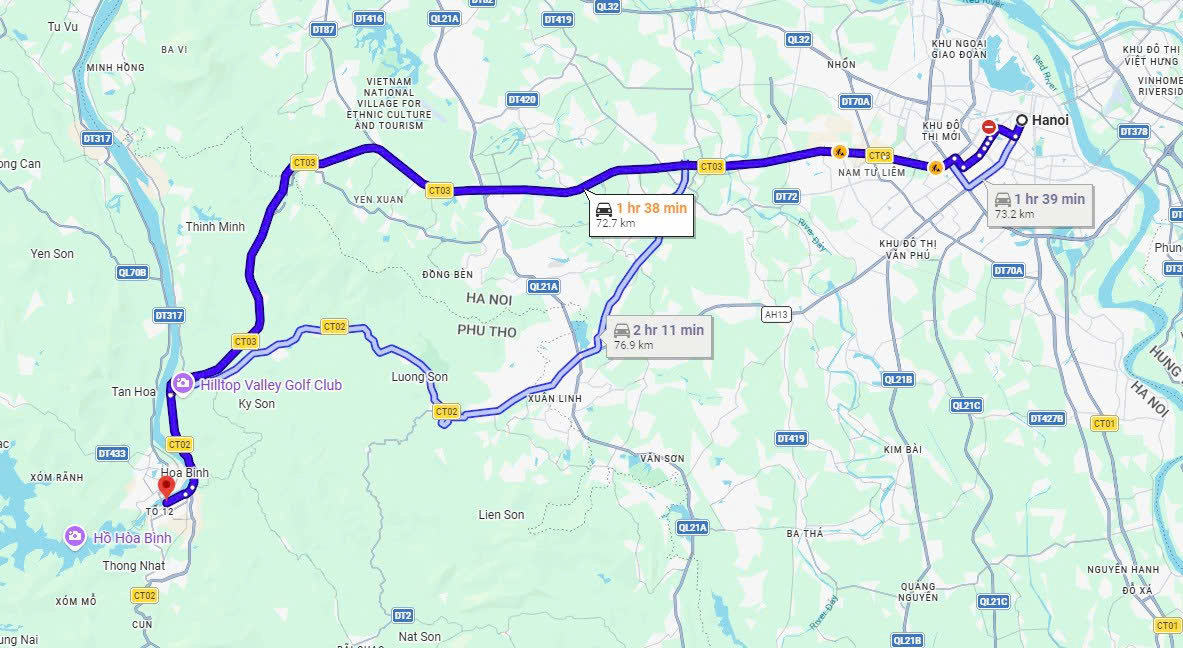
From Hanoi to Da Giang, Hoa Binh (Source: Google Maps)
Da Giang Trekking is located in Hoa Binh Province, approximately 80-90 km from Hanoi, making it a convenient destination for a one-day adventure. The journey usually takes around 2 to 2.5 hours by car or limousine, depending on traffic. Most visitors choose a guided trekking tour, which includes round-trip transportation, a boat transfer across Hoa Binh Lake, and an experienced local guide, making the trip simple and hassle-free.
For independent travelers, driving a private car or riding a motorbike is also a popular option. After arriving at the designated pier on Hoa Binh Lake, you'll continue with a short boat ride before reaching the trekking trail. This scenic transfer across the lake is often the first highlight of the trip, offering beautiful views of limestone mountains and peaceful waters before the hike even begins.
What Is the Trekking Route Like?
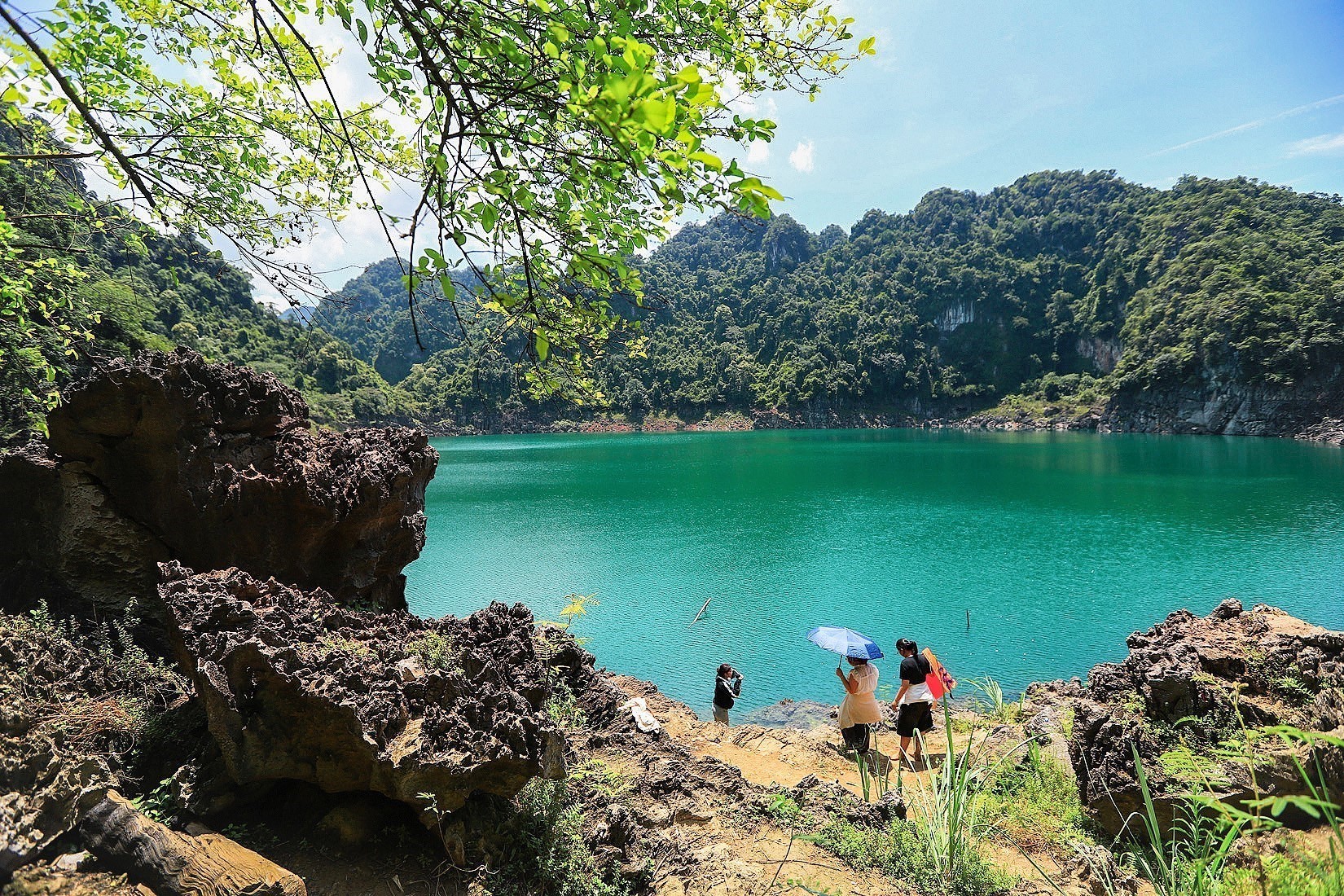
The road passing by Jade Lake on the Da River (Source: Vietnam Pictorial)
The Da Giang trekking route combines several different landscapes in a single journey, making it more interesting than many short hiking trails near Hanoi. The path winds through shaded forests, natural limestone terrain, gentle slopes, and quiet Muong villages before leading visitors to the impressive Dia Long Cave and the emerald waters of Jade Lake. Along the way, there are plenty of opportunities to stop for photos, enjoy panoramic views, and learn about the local culture from your guide.
The full trekking experience typically lasts 3-4 hours, depending on the pace of the group and the itinerary. While some sections of the trail are uneven or slightly slippery after rain, there are no steep climbs or technical obstacles that require previous hiking experience. Most tours also include regular rest stops and a traditional Muong lunch, allowing travelers to enjoy the journey at a relaxed pace rather than treating it as a physically demanding trek.
Read more: Giang Mo Village: The Real Location, What to Expect, and How to Visit From Mai Chau
Is Da Giang Trekking expensive?
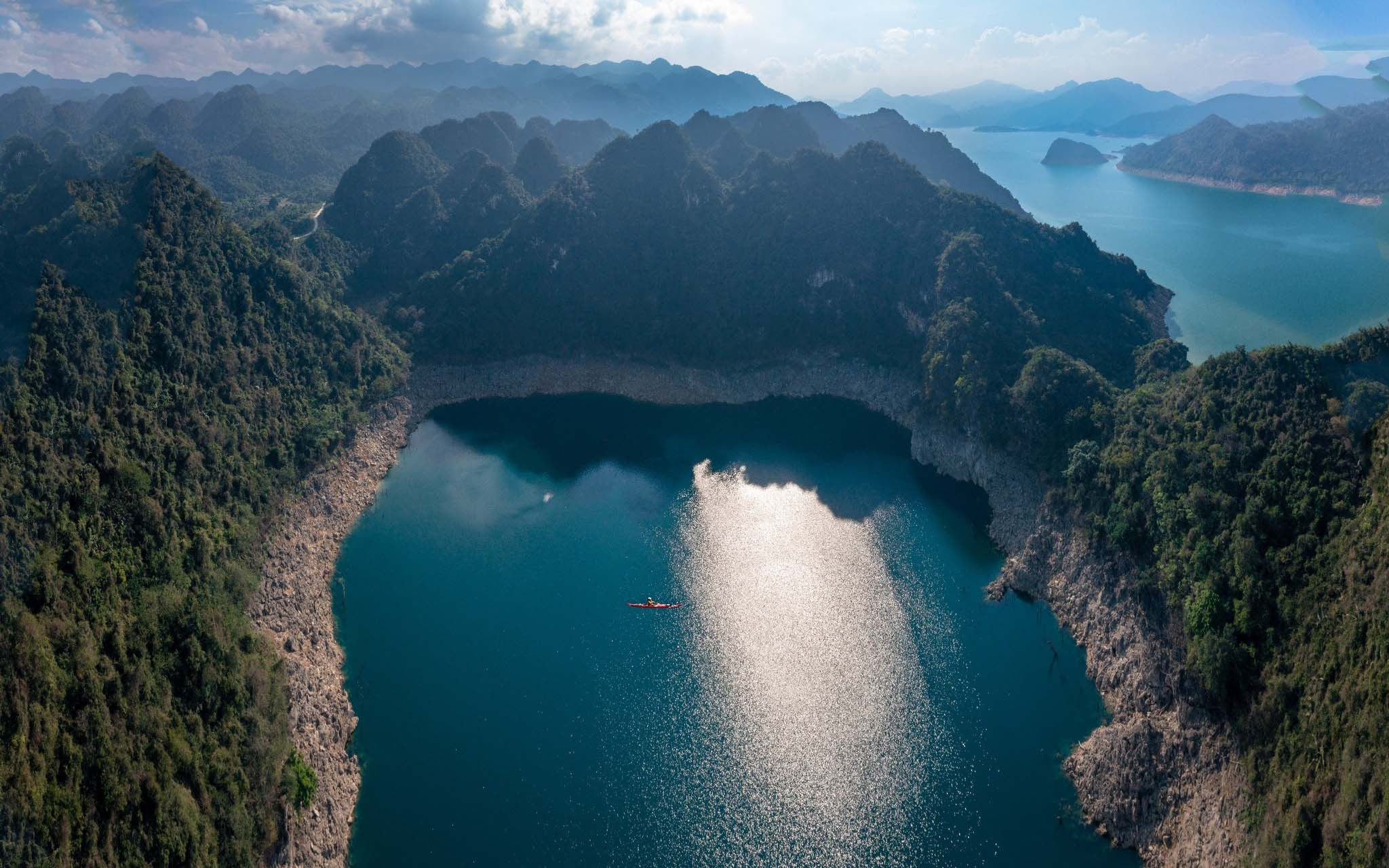
Trekking to Jaye Lake - a "green gem" amidst the forests of Hoa Binh (Source: Diem Hen Du Lich)
Compared with Sapa, Pu Luong, and Ha Giang, Da Giang trekking is one of the most affordable trekking experiences near Hanoi. A 1-day guided tour typically costs 1.170.000 - 1.690.000 VND per person, depending on the group size and included services. With reasonable prices and authentic nature experiences, Da Giang offers excellent value for travelers looking to explore beyond the usual tourist trails.
What's Included in a Da Giang Trekking Tour?
Most guided tours include everything needed for a hassle-free day trip, making them a convenient option for first-time visitors. Depending on the tour operator, the package typically covers round-trip transportation from Hanoi, a boat transfer across Hoa Binh Lake, an experienced local guide, and the trekking itinerary through Dia Long Cave, Jade Lake, and nearby Muong villages. Some tours also include a traditional Muong lunch and entrance fees.
|
Cost Item
|
Typical Range (per person)
|
Usually Included?
|
|
Round-trip transport from Hanoi
|
390.000 - 520.000 VND
|
Yes
|
|
Boat crossing (Ngòi Hoa/Thung Nai)
|
130.000 - 210.000 VND
|
Yes
|
|
Local guide fee
|
260.000 - 390.000 VND
|
Yes
|
|
Lunch (local Muong-style meal)
|
130.000 - 260.000 VND
|
Sometimes
|
|
Cave entrance/local fees
|
50.000 - 130.000 VND
|
Sometimes
|
|
Overnight camping/homestay add-on
|
390.000 - 650.000 VND
|
Optional
|
Da Giang vs Other Treks: Cost Comparison
When comparing the cost of trekking in northern Vietnam, travelers should consider the full trip budget, including transportation, accommodation, meals, and travel time. Da Giang trekking is one of the most cost-effective options near Hanoi because it can be completed within one day, reducing expenses for overnight stays and long-distance transfers. This makes it suitable for travelers who want a complete nature experience without spending too much on logistics.
Compared with Sapa trekking, Da Giang usually requires a lower overall budget because Sapa trips often include additional costs for overnight transportation, hotels, and longer itineraries. Compared with Pu Luong, Da Giang is also more economical for short trips, while Pu Luong is better suited for travelers planning multi-day stays with homestays or eco-resorts. For those seeking an affordable trekking experience with beautiful landscapes, local culture, and convenient access from Hanoi, Da Giang offers excellent value for money.
Da Giang Trekking Highlights: Jade Lake, Đia Long Cave, Photo Spots & Local Food
Da Giang trekking stands out for its unique combination of untouched nature, limestone caves, peaceful lakes, and authentic Muong culture. Unlike crowded trekking destinations, this route offers a slower-paced experience where travelers can explore hidden landscapes, take stunning photos, and enjoy local food along the journey. From the emerald waters of Jade Lake to the mysterious Dia Long Cave, each stop adds a different highlight to the adventure.
Jade Lake - The Hidden Emerald Lake of Da Giang
.jpg "Jade Lake – An emerald hidden by the Da River (Source: Tin Tuc Newspaper)")
Jade Lake – An emerald hidden by the Da River (Source: Tin Tuc Newspaper)
The biggest highlight of Da Giang trekking is Jade Lake (Mat Ngoc Lake), a hidden lake surrounded by limestone mountains and dense green forests. The crystal-clear water changes shades from deep emerald to turquoise depending on the sunlight, creating a peaceful landscape that feels far away from busy tourist areas.
Because the lake is located away from major roads and commercial attractions, visitors can enjoy a more private and natural atmosphere. Many trekking tours include time to relax by the lake, take photos, or even swim during suitable weather conditions, making it one of the most memorable stops on the route. If swimming is on your list, it's worth reading up on where it's safe to swim in this area before getting in, since not every spot on Hoa Binh Lake is equally suited for it.
Dia Long Cave - Explore a Natural Limestone Wonder
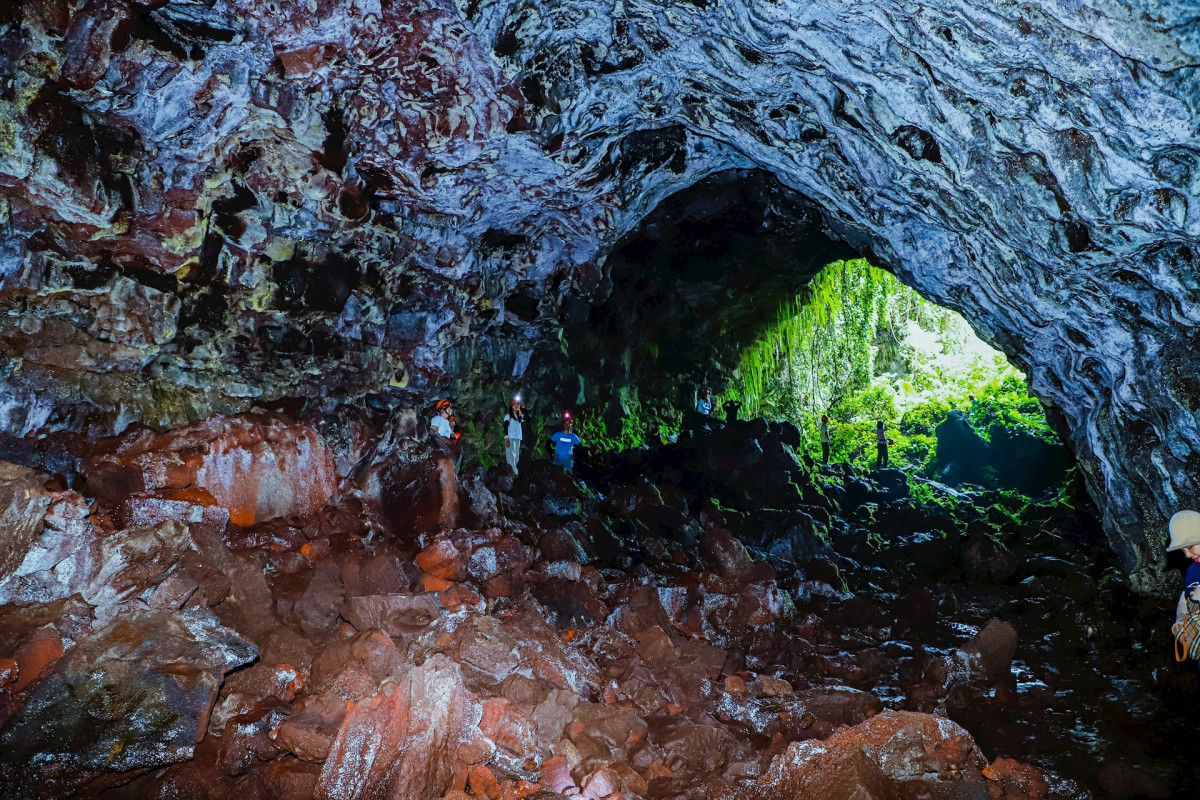
Dia Long Cave - Explore a Natural Limestone Wonder
Located along the trekking route, Dia Long Cave offers travelers a chance to discover the geological beauty hidden inside Da Giang’s mountains. The cave features natural stalactites and stalagmites formed over thousands of years, with unique rock formations created through the slow process of limestone development.
Unlike commercial caves with bright artificial lighting and developed walkways, Dia Long Cave keeps a more untouched feeling. Visitors should bring a flashlight or headlamp to explore darker sections and fully appreciate the contrast between the cave interior and natural daylight at the entrance.
Best Photo Spots and Traditional Muong Food Experience
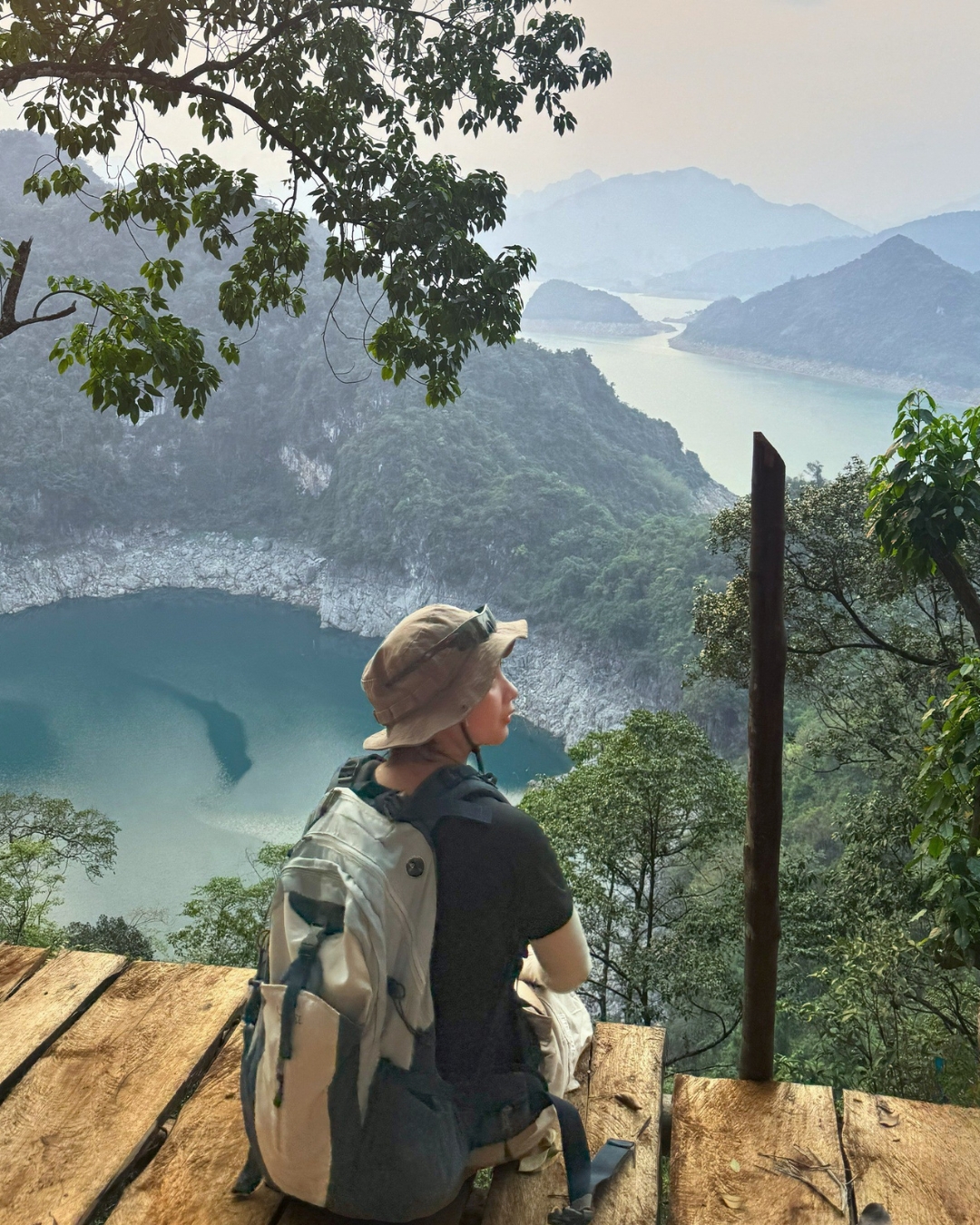
A Must - Visit Photo Spot at Da Giang, Hoa Binh
Beyond the cave and lake, Da Giang trekking offers many scenic photography opportunities throughout the journey. The boat ride across Hoa Binh Lake, forest trails, mountain viewpoints, and peaceful village landscapes provide beautiful backgrounds for travelers who want to capture the natural beauty of northern Vietnam.
A complete Da Giang trekking experience is not only about landscapes but also about local culture. Many tours include a meal in a Muong village, where visitors can enjoy traditional dishes such as bamboo-tube rice, grilled river fish, and seasonal forest vegetables. Combining nature, culture, and cuisine makes Da Giang a more authentic experience than a simple sightseeing trip.
Da Giang, Pu Luong & Ba Vi: Which trek fits you?
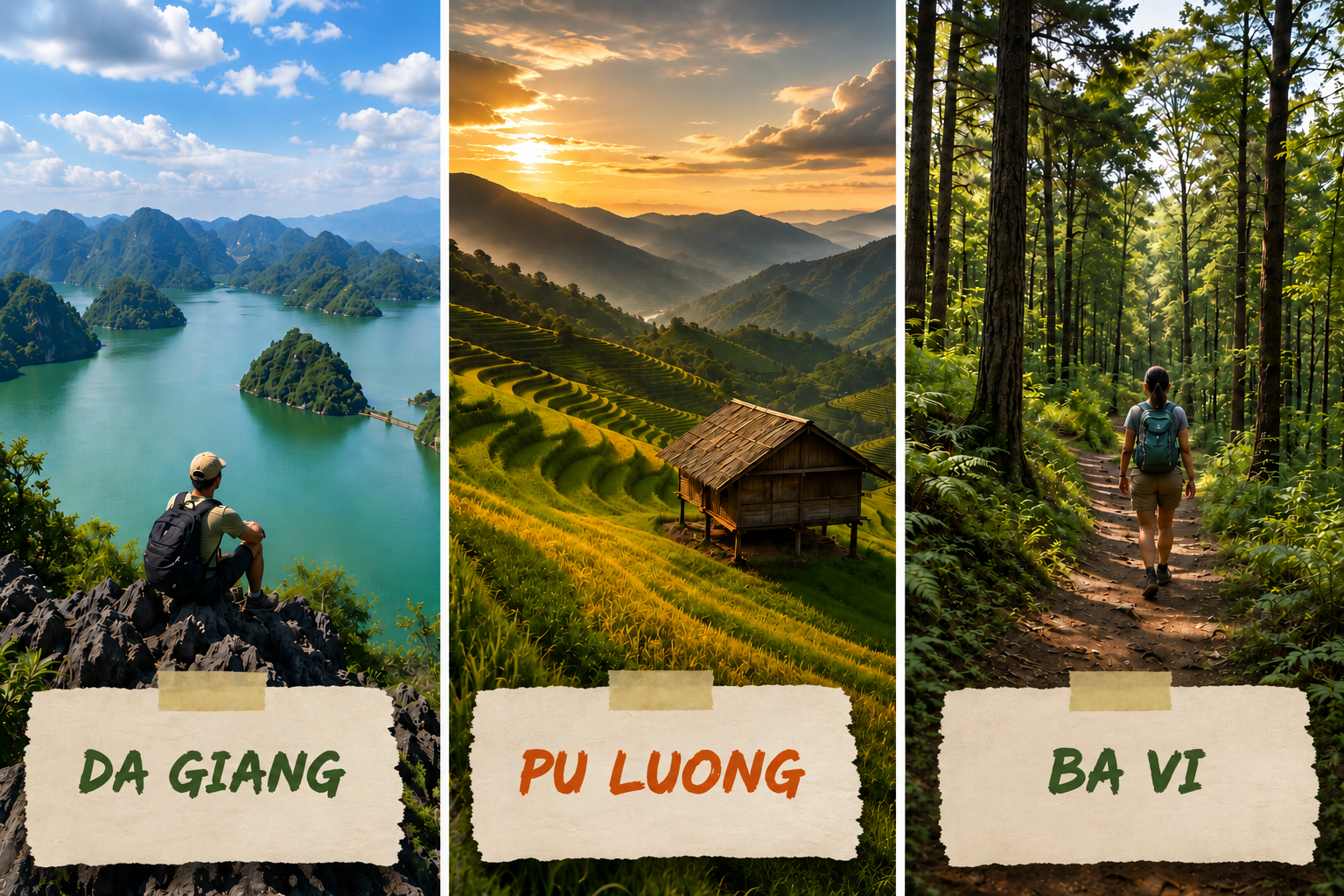
Da Giang, Pu Luong & Ba Vi
With so many trekking options within a few hours of Hanoi, it helps to see how Da Giang actually compares to the two most commonly searched alternatives. Each of these destinations offers a genuinely different experience, so the right choice depends less on which is "best" and more on what kind of day you're looking for.
|
Feature
|
Da Giang
|
Pu Luong
|
Ba Vi
|
|
Distance from Hanoi
|
~2-2.5 hrs + boat
|
~3-3.5 hrs
|
~3-1.5 hrs
|
|
Difficulty
|
Easy-moderate
|
Moderate
|
Easy
|
|
Signature highlight
|
Jade lake & cave
|
Terraced rice fields
|
Cloud forest & French ruins
|
|
Crowd level
|
Low (still undiscovered)
|
Moderate - high
|
High (weekends)
|
|
Best for
|
Nature lovers seeking solitude
|
Photographers, rice-terrace views
|
Families, quick day trips
|
|
Avg day tour cost
|
1.170.000-1.690.000 VND
|
1.300.000-1.820.000 VND
|
780.000-1.170.000 VND
|
Pu Luong remains the go-to choice for travelers chasing those iconic terraced rice field photos, especially during harvest season, but its growing popularity means you'll likely be sharing the trail with other tour groups. Ba Vi, meanwhile, is the easiest and closest option, making it ideal for a half-day escape, though its cloud forest and old French hill-station ruins offer a very different vibe from a jungle-and-lake adventure.
Da Giang sits in a sweet spot between the two: it's more remote and untouched than Ba Vi, yet less crowded and more affordable than Pu Luong currently is. If solitude, a hidden swimming spot, and a genuine sense of discovery matter more to you than photographing endless rice terraces, Da Giang is very likely the better fit for your travel style.
Da Giang Trekking Itinerary: What a 1-Day Trip Looks Like
A 1-day Da Giang trekking itinerary is ideal for travelers who want to explore one of northern Vietnam's hidden gems on a convenient day trip from Hanoi. The journey includes a scenic boat ride across Hoa Binh Lake, forest trekking, a visit to Dia Long Cave, time at Jade Lake, and a traditional Muong lunch. Lasting around 11-12 hours, the itinerary offers a balanced mix of adventure, nature, and local culture, making it suitable for both beginners and experienced hikers.
Morning: Travel from Hanoi and Cross Hoa Binh Lake
.jpg "Traveling by boat to the trekking starting point (Source: 24h)")
Traveling by boat to the trekking starting point (Source: 24h)
Most tours leave Hanoi between 6:30 and 7:00 AM, allowing enough time to reach Hoa Binh Province before the weather becomes too warm. The drive usually takes around 2.5-3 hours, passing through rural villages, limestone hills, and peaceful countryside landscapes that gradually replace the city's busy streets.
After arriving at the pier, visitors board a local boat to cross Hoa Binh Lake, one of the largest artificial lakes in Vietnam. This short boat journey is often the first highlight of the day, offering panoramic views of green mountains reflected in calm water and providing excellent opportunities for photography before the trekking begins.
Late Morning: Forest Trails and Dia Long Cave
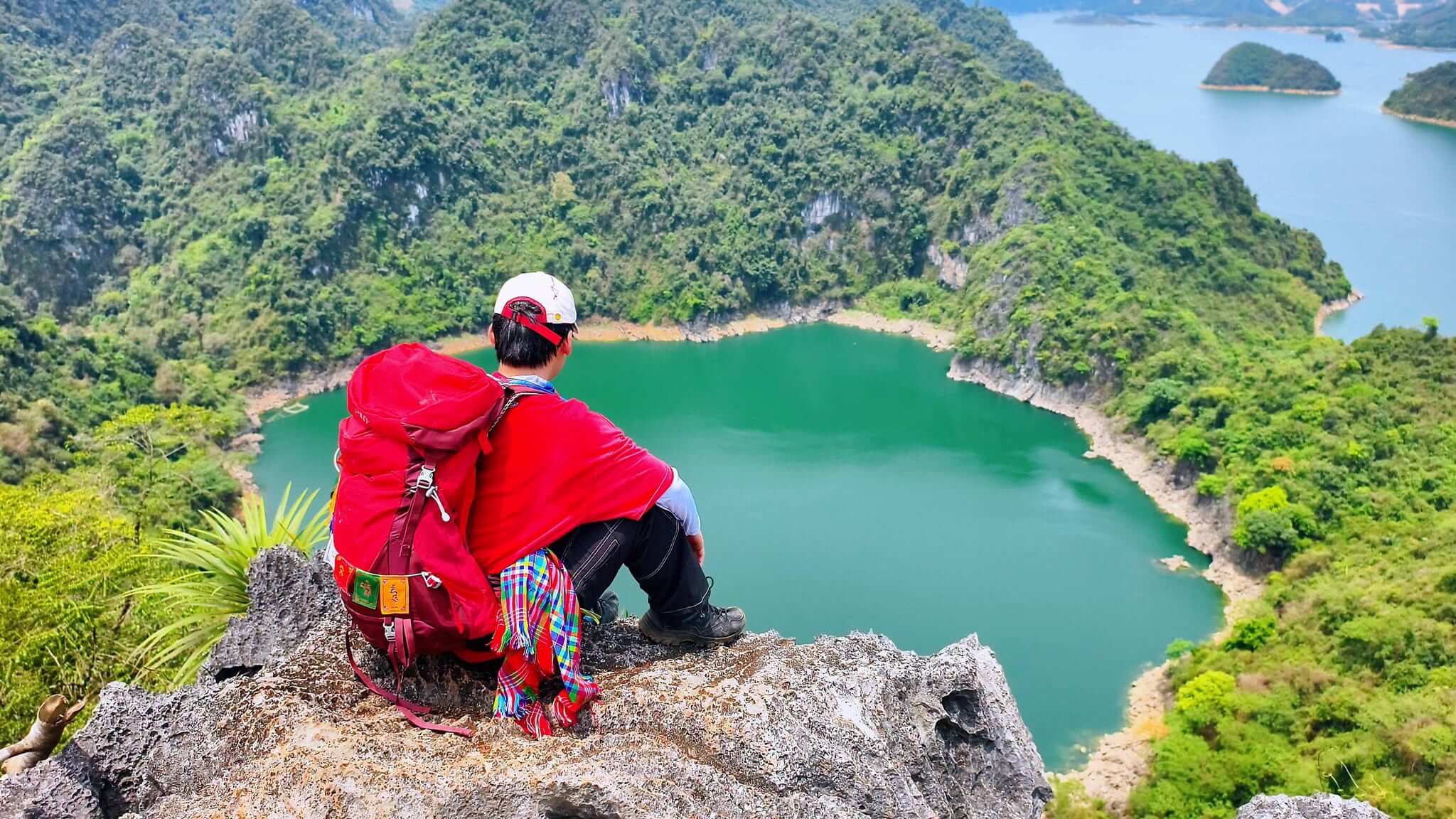
The routes travelers traverse and experience (Source: Tik Tok)
After leaving the boat, the trekking route follows narrow forest paths, gentle hills, and shaded sections beneath native trees. The trail is generally moderate, with a mixture of dirt tracks, rocky sections, and natural terrain that allows hikers to experience the untouched landscape without requiring advanced trekking skills.
One of the most impressive stops is Dia Long Cave, a natural limestone cave formed over thousands of years. Inside, visitors can observe impressive stalactites, stalagmites, and unique rock formations while learning about the cave's geological history from local guides. Because the cave remains largely undeveloped, bringing a flashlight or using your phone light helps when exploring the darker chambers.
Lunch: Experience Traditional Muong Cuisine
.png "Lunch during the Da River exploration (Source: TikTok)")
Lunch during the Da River exploration (Source: TikTok)
Around midday, most tours stop for lunch at a local Muong village or a peaceful lakeside location. Instead of restaurant-style meals, visitors are usually served home-style dishes prepared with fresh local ingredients, offering a glimpse into the region's culinary traditions.
Typical dishes include grilled river fish, bamboo-tube rice (com lam), free-range chicken, seasonal forest vegetables, and homemade dipping sauces. Beyond the food itself, lunch also provides a chance to meet local people, learn about Muong culture, and take a relaxing break before continuing the trek.
Afternoon: Jade Lake and Return Journey
.jpg "The Journey Home (Source: An Giang Newspaper)")
The Journey Home (Source: An Giang Newspaper)
The afternoon is dedicated to exploring Jade Lake, the most iconic destination along the Da Giang trekking route. Surrounded by limestone cliffs and dense forest, the lake is famous for its crystal-clear emerald water that changes color with the sunlight. Depending on the weather and tour schedule, visitors usually have free time to swim, relax by the shore, or capture photos of one of Hoa Binh's most beautiful hidden landscapes.
After leaving the lake, hikers return along the trail to the boat pier before crossing Hoa Binh Lake once again. Most tours arrive back in Hanoi between 6:30 and 7:30 PM, allowing travelers to enjoy a complete trekking adventure in a single day without needing overnight accommodation.
Remember Before You Go: Essential Tips for Da Giang Trekking
.jpg "Tips for conquering the lakeside road")
Tips for conquering the lakeside road
A little preparation goes a long way on this trek, mostly because the trail includes natural, sometimes uneven terrain that a packed lunch and a good pair of shoes can make dramatically more enjoyable. Below is a practical checklist based on what local guides consistently recommend to first-time visitors. What to pack:
- Trail shoes or sneakers with good grip - flip-flops and flat sandals are not suitable for the forest path
- Lightweight, quick-dry, long-sleeve clothing to avoid scratches from trailside brush
- At least 1.5 liters of water per person, plus light energy snacks
- Swimwear and a change of clothes for the lake
- A headlamp or phone flashlight for the darker sections of Dia Long Cave
- Cash - card payment and mobile signal are unreliable in this remote area
Timing your start matters more than most travelers expect. Early departure from Hanoi means you'll reach the trail before the midday sun makes the uphill sections feel noticeably harder, and it also means better natural lighting inside the cave and clearer, calmer water at the lake for swimming and photos. Guides who run this route regularly also advise against attempting the trek right after heavy rain, since the forest path and stone sections near the cave can become slippery and genuinely risky.
One local tip worth taking seriously: this trek passes directly through a working Muong village, not a staged cultural stop, so a bit of courtesy goes a long way. Ask before photographing villagers up close, keep noise levels down as you pass through, and carry out any trash you bring in rather than leaving it on the trail. Travelers who've done this trek often mention afterward how refreshingly untouched the area still feels - a little respect from each visitor is what keeps it that way.
Where to stay near Da Giang Trekking
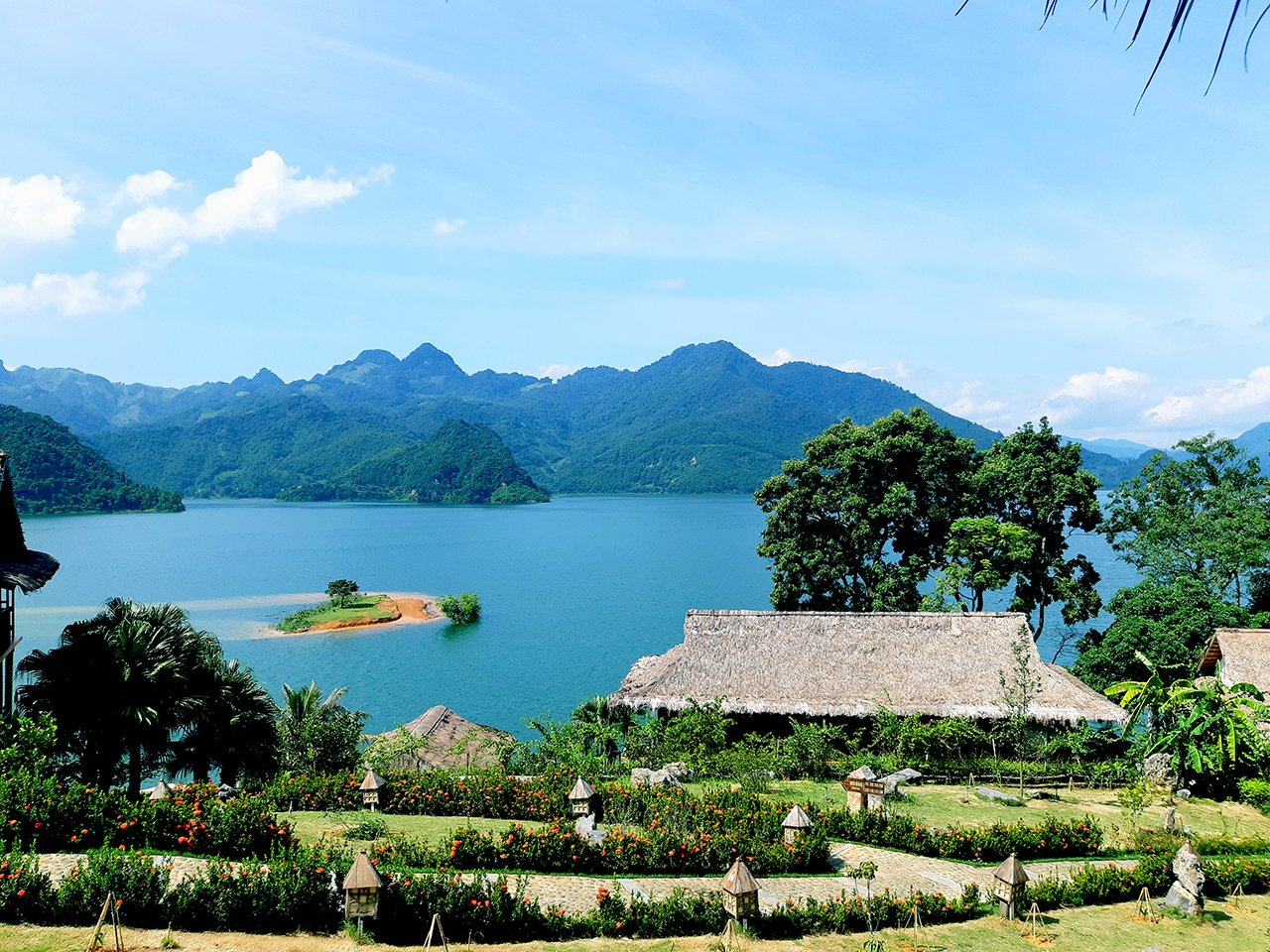
Mai Chau Hideaway Lake Resort - An ideal destination for travelers
If you'd rather turn this into more than a single rushed day trip, basing yourself near Hoa Binh Lake beforehand or afterward makes the whole experience considerably more relaxed. Mai Chau Hideaway Lake Resort sits directly on the lake this trek crosses by boat, making it one of the most convenient and most scenic places to stay in the area.
The resort occupies its own private peninsula, so you can go from forest trail dust to an infinity pool overlooking the water within the same afternoon, which is exactly the kind of contrast that makes a trekking trip feel like a proper getaway rather than just a checklist stop. Rooms lean into a rustic, natural design that mirrors the surrounding landscape, and the on-site restaurant serves regional specialties like Hoa Binh Lake fish and Muong-style pork - a nice way to continue the local food experience you started on the trail.
Staying at Mai Chau Hideaway Lake Resort also gives you easy access to other activities in the region, including kayaking and boat cruises on Hoa Binh Lake - the same waters your trek crossed by boat - so it's worth considering as your base rather than just a day-trip departure point. For a fuller look at what else fills out a longer stay here, the resort's tours and activities page lays out combined itineraries mixing water and land experiences.
FAQs: Quick answers for trip planning
Can beginners join Da Giang trekking?
➙ Yes. Most healthy adults with a basic fitness level can complete the trek. The route includes some uneven forest trails and short uphill sections but does not require technical climbing experience.
Is swimming allowed at Jade Lake?
➙ Yes, swimming is possible in suitable weather and when local conditions are considered safe. Always follow your guide's instructions and avoid swimming during heavy rain or strong currents.
Is there a mobile signal during the trek?
➙ Mobile coverage is available in some areas but may be weak or unavailable inside the forest and around the cave. It's best to download offline maps or keep important information saved before the trip.
What should I bring for Da Giang trekking?
➙ Bring comfortable trekking shoes, lightweight clothing, drinking water, sunscreen, insect repellent, and a waterproof bag for electronics. If you plan to swim at Jade Lake, don't forget your swimwear and a quick-dry towel.
Can I visit Da Giang without joining a tour?
➙ Yes, independent travel is possible, but most international visitors prefer joining a guided tour for easier transportation, boat transfers, and local guidance along the trekking route.
Is Da Giang trekking suitable for families?
➙ Yes, families with older children who enjoy walking and outdoor activities can join the trek. Young children or travelers with limited mobility may find some parts of the trail challenging.