About 130 km from Hanoi, Ban Lac is a long-established White Thai village in Mai Chau, known for its timber homes raised above the ground and surrounded by rice fields. For visitors, the houses are not simply something to photograph from the outside. Many are still family homes, and some welcome guests who want to stay overnight and experience village life more closely.
A night here gives you a chance to see how the house works as a living space, from sleeping on the wooden floor to sharing a meal with your hosts.
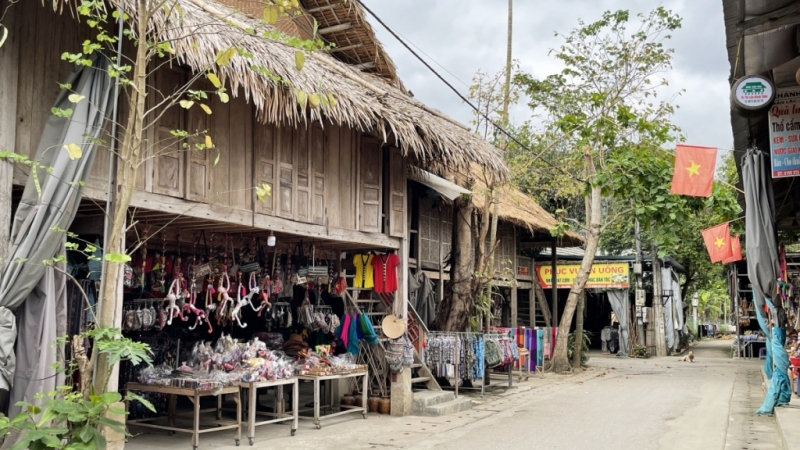
Ban Lac stilt house has different architecture (Source: Bao Tay Ninh)
Staying in a Ban Lac Stilt House: What to expect
The main difference between visiting during the day and staying overnight is that you become part of the household's shared living space. Sleeping areas are generally arranged on the main wooden floor, where a mattress, blanket and mosquito net may be provided. Some homes have simple partitions around sleeping areas, while others keep the space more open, so it is worth asking your host what to expect before booking.
Comfort can vary from one household to another because these are family homes rather than standardised hotel rooms. Bathrooms, hot water, bedding and the amount of privacy available may not be the same everywhere, so checking the facilities in advance can prevent surprises.
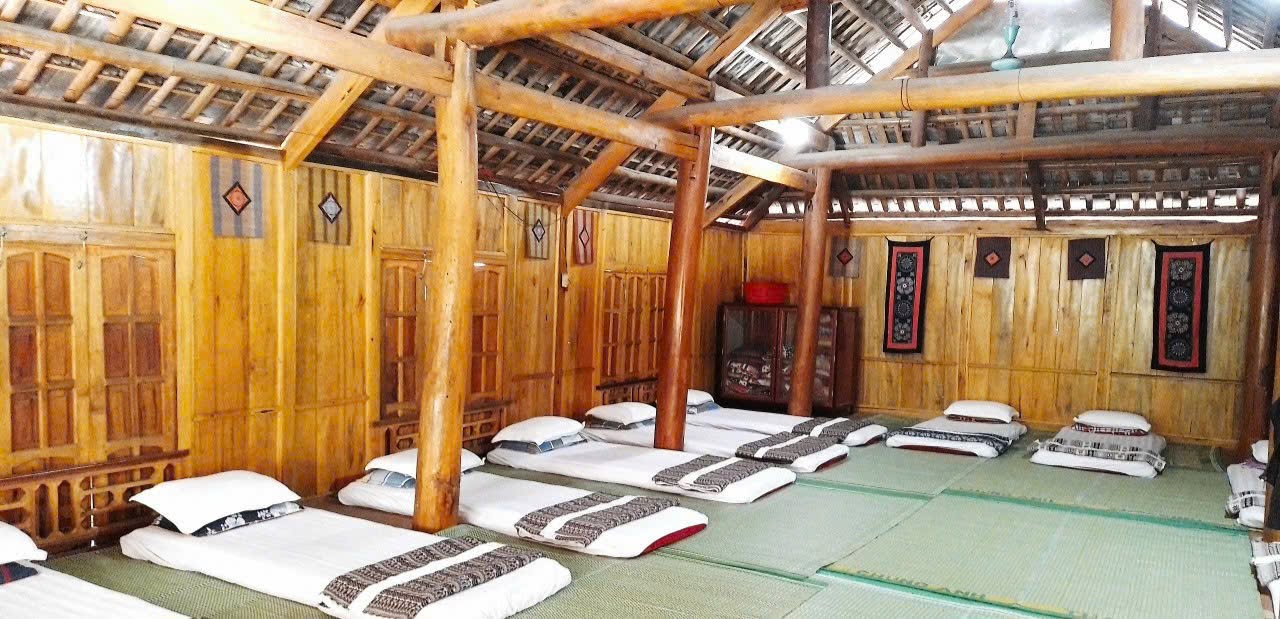
Inside a stilt house in Lac Village (Source: Collected)
The house can also feel more communal than a conventional hotel. Wooden floors can carry footsteps and conversations between areas, while early-morning village sounds such as neighbours or roosters may wake light sleepers. If you are sensitive to noise, a pair of earplugs can be useful.
Meals are another important part of the experience. Depending on the household and what is available locally, dinner may include sticky rice, grilled meat, stream fish and local vegetables, often eaten together with the host family. Some stays may also include an evening xoe or sạp performance, although this depends on the household, season and group rather than being a guaranteed activity.
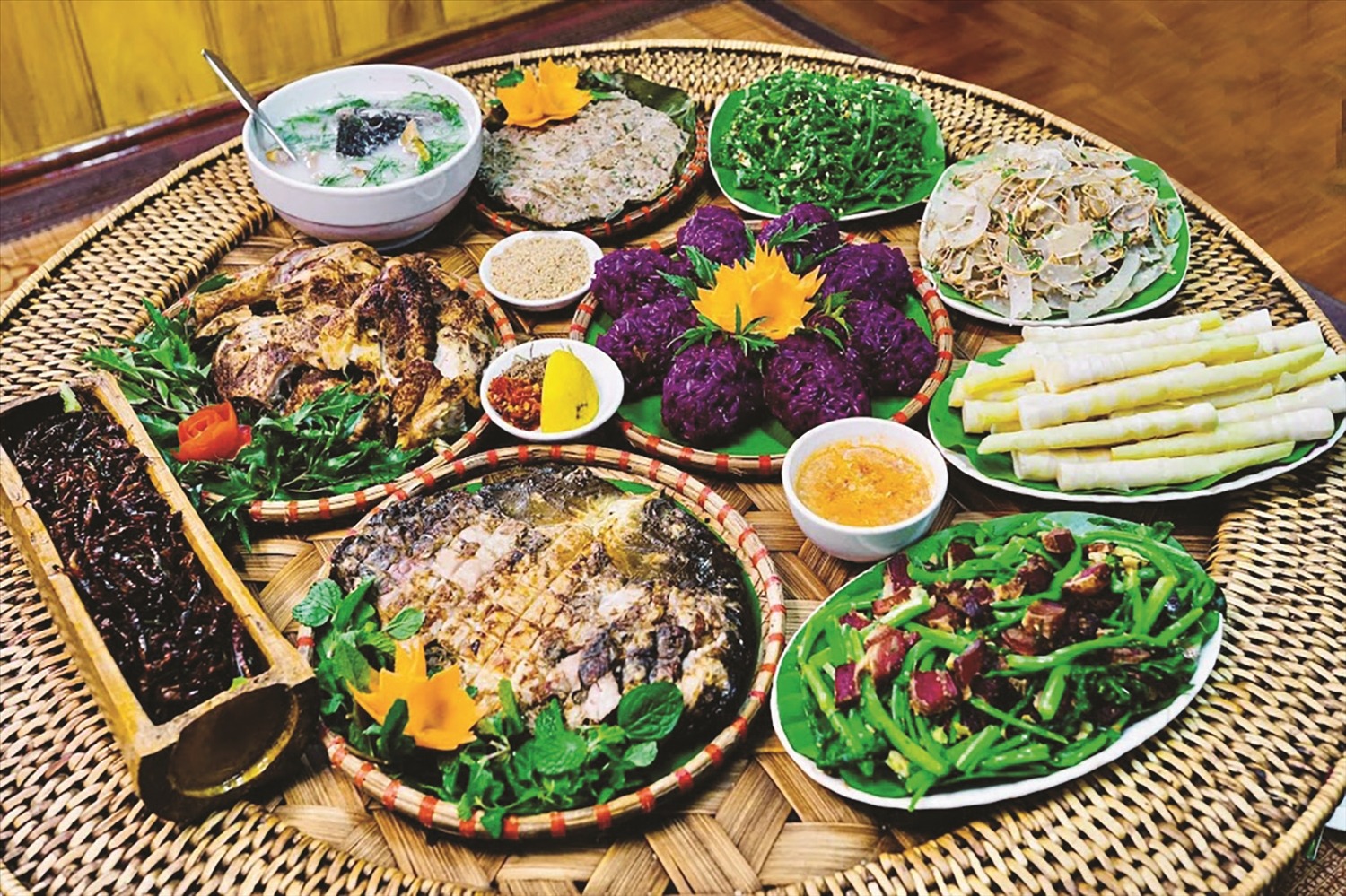
The delicious meal in Ban Lac stilt house
Morning offers a quieter side of the village. After breakfast, you can walk along the village paths and look towards the rice fields before the day becomes busier, without needing to plan a packed schedule. The slower pace is part of what makes staying in a family home different from simply stopping by for photographs.
Ban Lac stilt house architecture: What makes it unique
The architecture is built around practical use of space and locally familiar materials. Timber forms the main structure, while bamboo and nứa have traditionally been used in other parts of the house. Local beliefs could also influence construction, including the choice to avoid certain trees, such as those struck by lightning or with broken crowns.
The house can be broadly understood through three levels. The area underneath was traditionally used for livestock, poultry and household tools, although some families now use it for parking, shared activities or displaying crafts. The main floor is the centre of family life and is also where guests usually sleep, while the space closer to the roof could be used for storing grain or other household items.
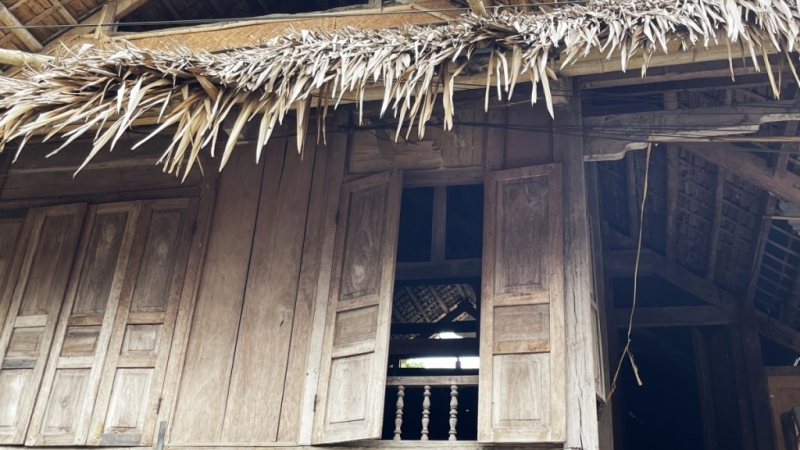
The architecture of stilt house in Ban Lac always attracts visitors (Source: Bao Tay Ninh)
You may also notice that some houses have an odd number of stairs, such as 5, 7, 9 or 11. In some Thai communities, these numbers are associated with growth and good fortune, but this is not a universal rule for every Thai stilt house. Another recognisable feature is the khau cut, a decorative element at the gable that is found on some houses but is not necessarily retained by every home today.
Are Ban Lac stilt houses still traditional?
The answer depends on what you mean by “traditional.” Tourism has been part of village life for some time, and homes have naturally adapted to accommodate visitors, including changes to materials and facilities. Not every house therefore looks or functions exactly as a traditional home would have in the past.
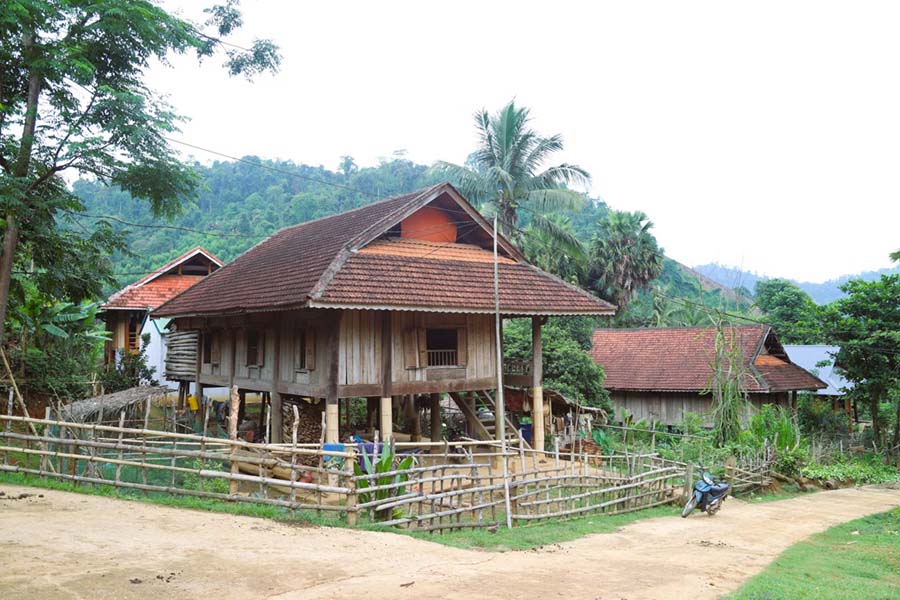
Stilt house still mantains many traditions when visitor come and stay (Source: Bao Lao Dong)
At the same time, the village has not simply been turned into a purpose-built attraction. Houses remain connected to family life, while the surrounding rice fields, village paths, hospitality and local customs are still part of the setting. It is more useful to see Ban Lac as a living community where traditional elements have adapted alongside tourism.
That distinction also changes what you should expect from a visit. You are not entering a museum where everything has been preserved in one fixed form; you are visiting homes that continue to be used and have been adjusted to meet modern needs.
How to get to Ban Lac from Hanoi
Ban Lac is approximately 130 - 140 km from Hanoi, with the journey usually taking around 3 - 3.5 hours. By car or motorbike, the route heads from Hanoi towards Hoa Binh before continuing towards Mai Chau, although road and traffic conditions can affect the actual travel time.
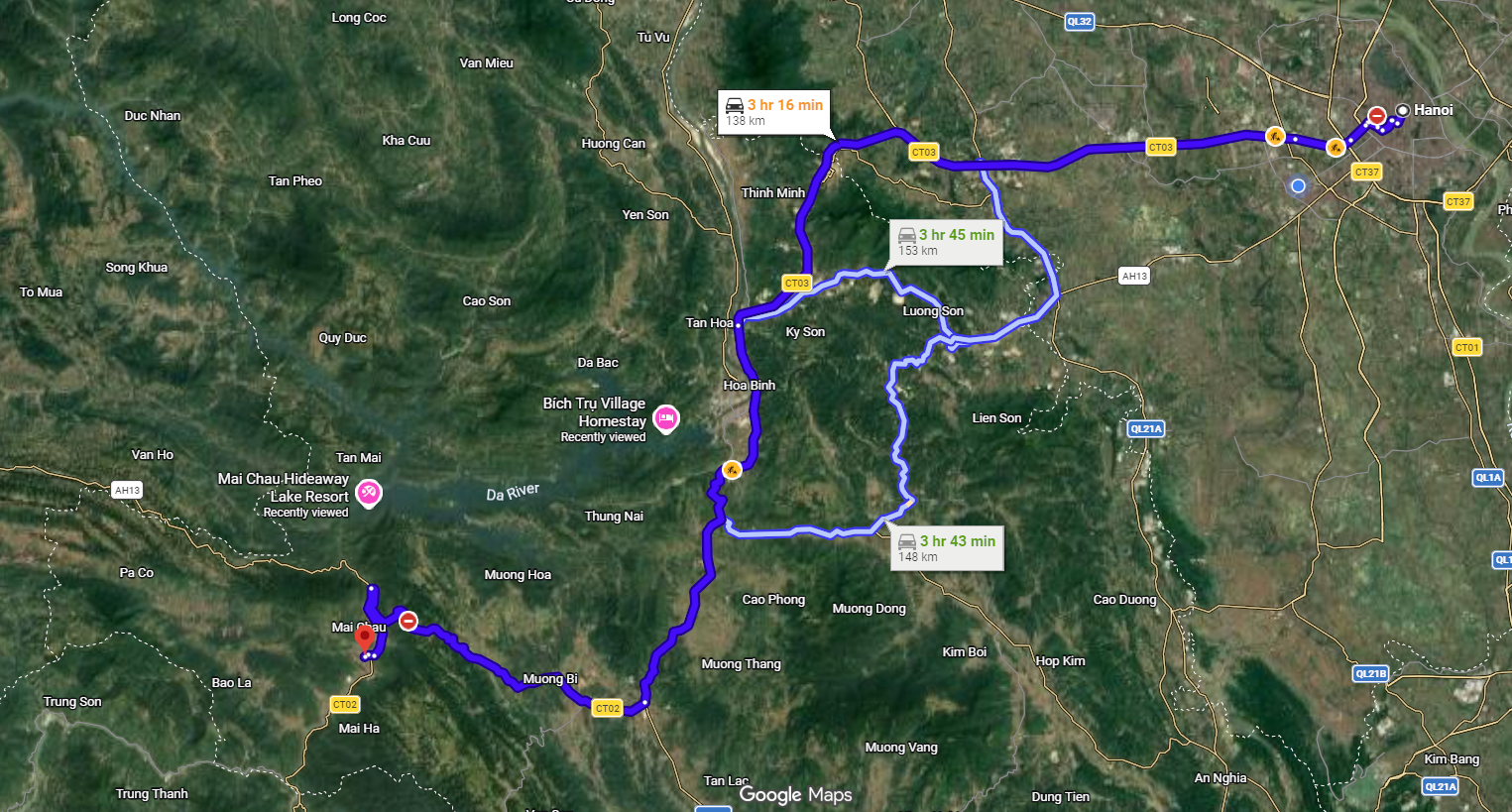
Ban Lac Village from Hanoi
Leaving Hanoi early gives you more time in the village instead of arriving around lunchtime with only part of the day remaining. If you are travelling by motorbike, allow time for breaks and keep in mind that the roads closer to the village can be narrower than the main route.
A coach can be another option if you do not want to drive. Coaches leave from western Hanoi terminals, but you should confirm the exact drop-off point and how you will make the final journey to Ban Lac before booking.
A private driver is useful if you want a more flexible schedule or are travelling with family or a small group. Whichever option you choose, save your host's phone number and an offline map in advance, as the final village lanes are narrower and easier to navigate when you already know where you are going.
Ban Lac stilt house rules: What visitors should know
Staying in a family home requires a little more awareness than staying in a hotel. If the house has an ancestral altar, keep your voice low around it, do not touch offerings or personal items, and ask your host if you are unsure where you can sit or place your belongings.
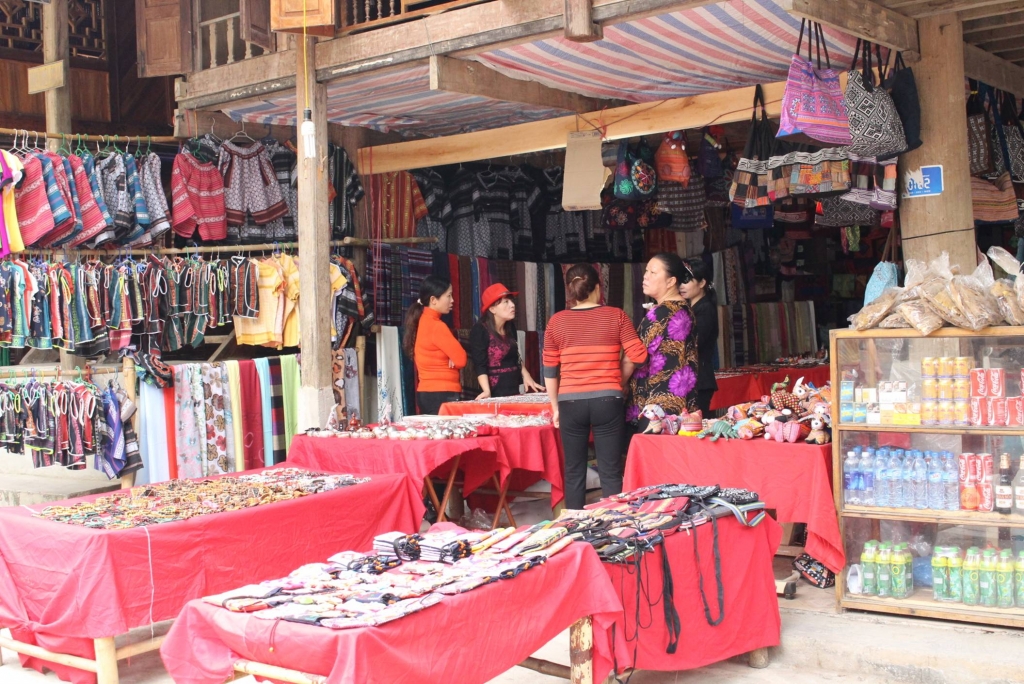
What can visitors experience while staying in the stilt houses of Ban Lac? (Source: Bao Cao Bang)
Some homes may have two staircases with different traditional uses. Customs can vary between households, so follow the host's instructions rather than assuming that every entrance or area is intended for guests.
The same approach applies to sleeping areas and private rooms. Stay where your host has arranged for you, avoid moving household belongings, and ask before entering areas that appear private. If you would prefer a separate sleeping space, ask about privacy before confirming your stay.
Photography is another simple point of etiquette. The house may be interesting to photograph, but it is still someone's home, so ask before taking pictures of family members, private areas or personal belongings.
Ban Lac Village culture: Weaving, food and dance
The experience makes more sense when you look beyond the building itself. Ban Lac is also associated with local crafts, food and community activities, giving visitors opportunities to learn about the White Thai way of life rather than only looking at traditional architecture.
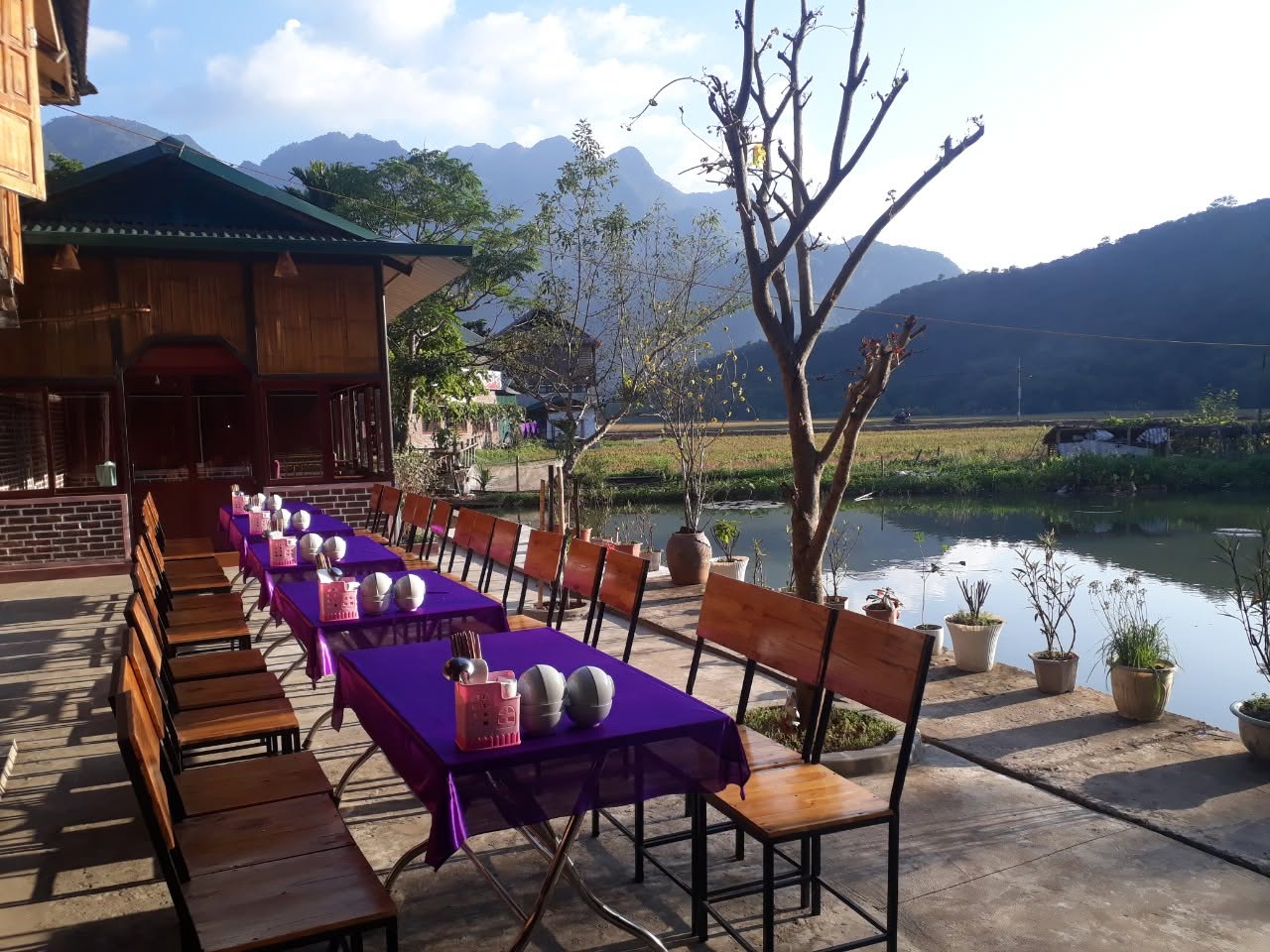
This is a village where visitors can experience many local culture (Source: Collected)
Brocade weaving is one of the crafts visitors may encounter. You may see local patterns being made, learn more about the process or look at finished pieces, while local food provides another way to experience the culture through shared meals.
Meals may include sticky rice, grilled meat, stream fish and locally gathered vegetables, depending on the household and what is available. Eating together also creates a natural opportunity to ask your host about the house, village customs and how daily life has changed with tourism.
Read more: Mai Chau food map: Top 13 must-try local dishes
Xoe and sap dancing may also form part of an evening activity for some groups. These performances depend on the household, season and arrangements, so they should be treated as an occasional part of the experience rather than something every visitor will see.
Best time to visit Ban Lac
The appearance of the landscape changes with the rice-growing cycle. During the growing months, the fields are green, while the harvest period brings a more golden landscape. Winter can be cooler and mistier, while summer is generally warmer and more humid.
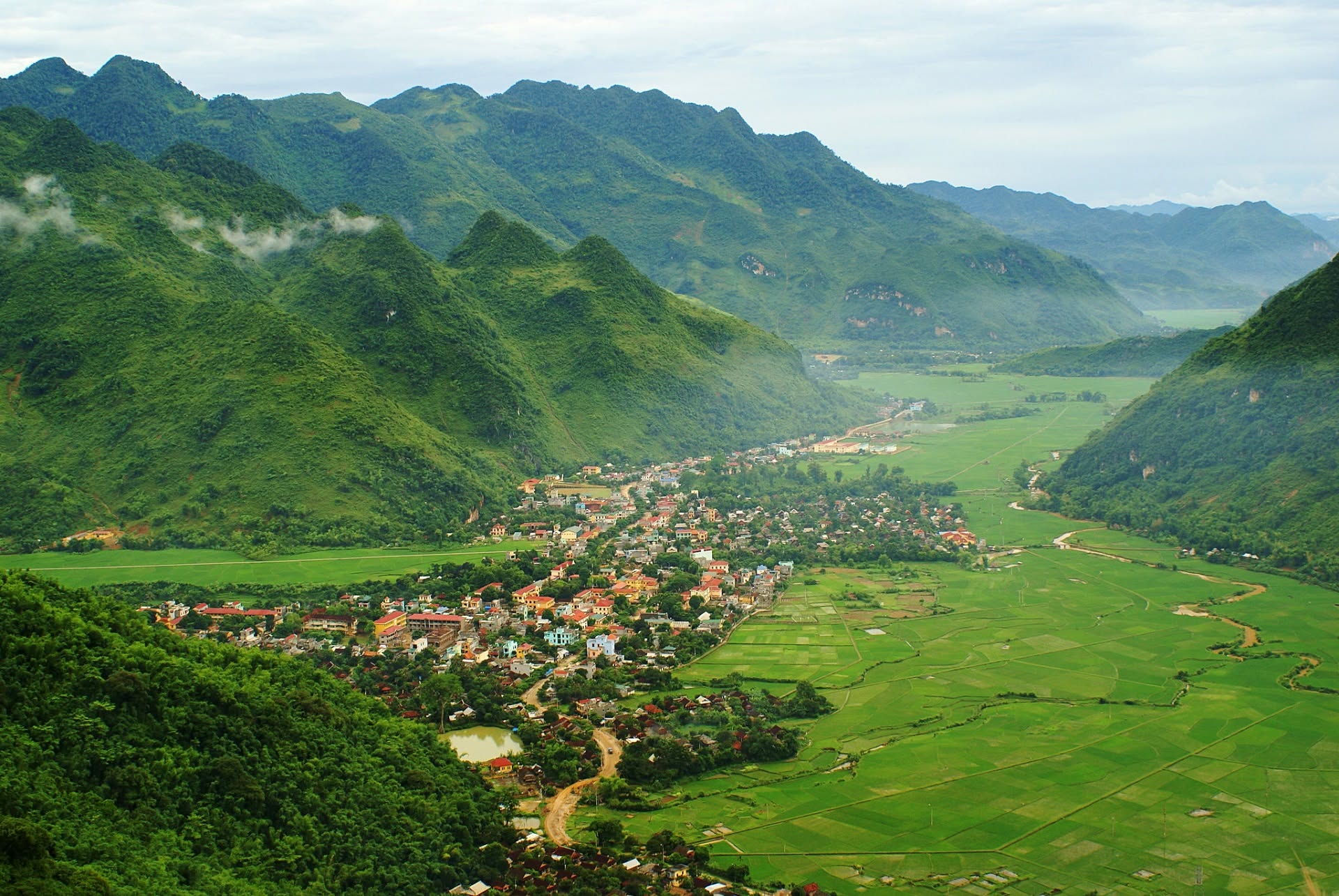
Best time to visit Lac Village (Source: Collected)
The exact timing of the green and golden seasons can vary according to local planting schedules, so it is better to check conditions close to your trip rather than relying on a fixed month. Weather is also worth considering when travelling through the mountainous area, as rainy periods can make roads slippery.
Ban Lac stilt house 2-day itinerary from Hanoi
A two-day trip gives you enough time to visit the village without turning the journey into a rushed day trip. On the first morning, leave Hanoi and allow around 3 - 3.5 hours for the journey before arriving in the Mai Chau area around lunchtime. After settling in, spend the afternoon walking through Ban Lac and visiting a weaving family or local craft area if available.
In the evening, have dinner at your homestay and join any local activity that has been arranged. If you are not staying overnight in the village, you can instead return to your accommodation after the visit and keep the evening free.
Start the second morning with a quiet walk through the village before breakfast. You can then spend more time around Mai Chau or head towards the lake for a slower part of the trip before beginning the drive back to Hanoi.
Where to stay near Ban Lac
Staying directly with a local family is the most immersive option if your main interest is experiencing life inside a Thai home. You can share a meal, sleep in the communal living space and have more opportunities to talk with your hosts, but you should also be comfortable with less privacy and facilities that may differ from a hotel.
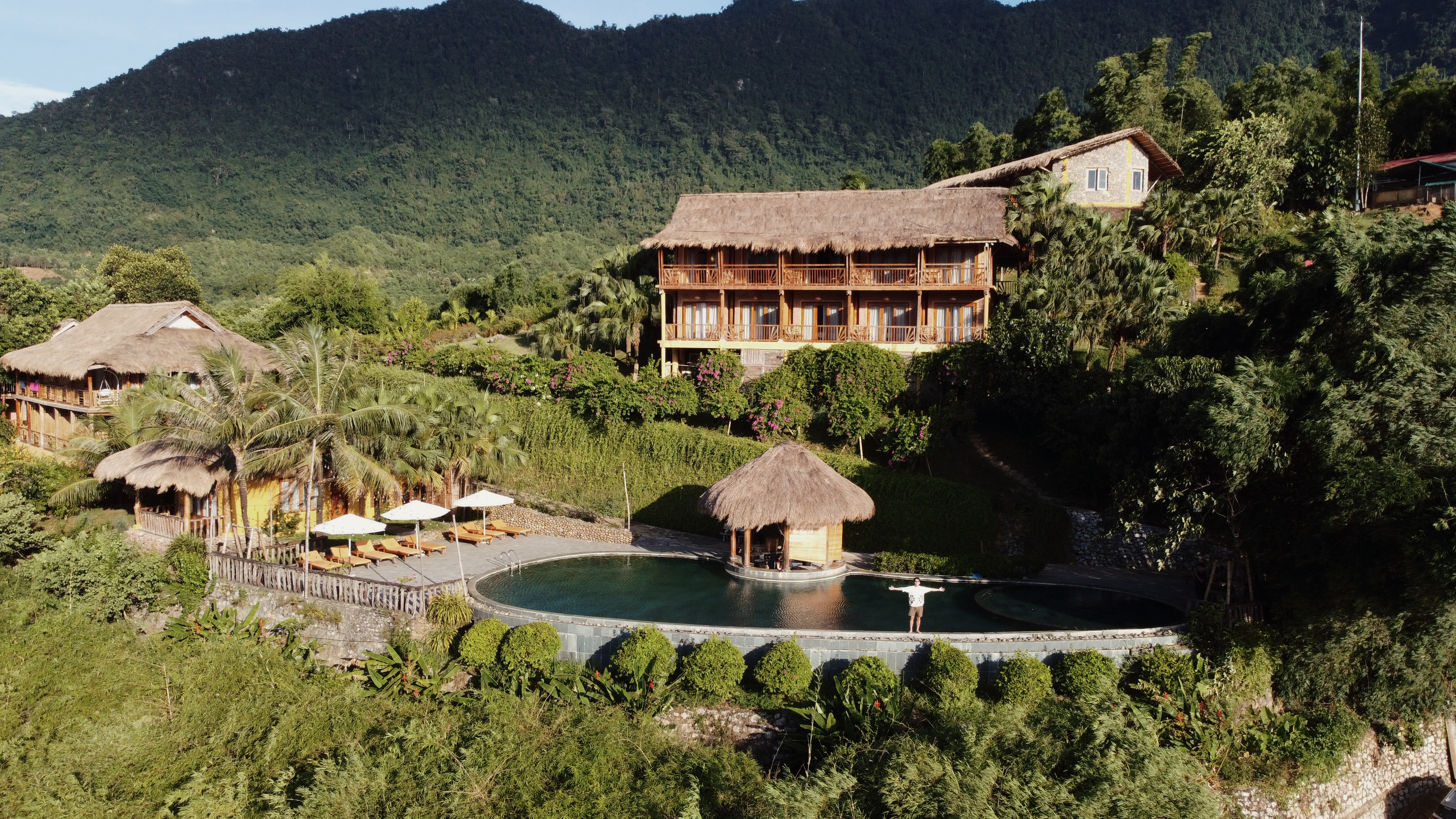
Mai Chau Hideaway Lake Resort
For travellers who want to visit the village but prefer a quieter and more private place to stay, Mai Chau Hideaway Lake Resort offers a different type of experience by the lake. You can spend the day visiting Ban Lac, then return to a private room or bungalow and make time for the lake and resort facilities.
This combination works particularly well if you want both cultural sightseeing and time to slow down during the same trip. The resort team can help suggest a schedule around a Ban Lac visit, including the village, local food and weaving, before you return to the lakeside setting.
Ban Lac stilt house FAQ
How far is Ban Lac from Hanoi?
Ban Lac is around 130 - 140 km from Hanoi, and the journey generally takes about 3 - 3.5 hours. Actual travel time depends on traffic and road conditions.
Can you stay overnight in a Ban Lac stilt house?
Yes. Some homes accommodate overnight guests, allowing visitors to sleep in the shared living space and experience a family-style stay. Facilities and sleeping arrangements can differ between households, so check with your host before booking.
What is special about Ban Lac stilt houses?
Their appeal comes from the combination of architecture and everyday village life. The raised structure, three-level layout, local customs and shared living spaces give visitors a closer look at how Thai homes are organised.
Are all Ban Lac stilt houses traditional?
No. Some houses have been adapted for tourism and may use newer materials or provide facilities that were not part of older homes. Traditional features remain, but the houses should be understood as working family homes rather than perfectly preserved historical buildings.
What should you know before staying in a stilt house?
Expect a more communal experience than a conventional hotel. Ask about sleeping arrangements and facilities in advance, respect ancestral altars and private areas, and follow your host's guidance on photography and household customs.
Where can you stay near Ban Lac?
You can stay in a local homestay if you want to experience the household directly, or choose private accommodation such as Mai Chau Hideaway Lake Resort. The choice mainly depends on how much you value direct cultural immersion versus privacy and resort-style comfort.